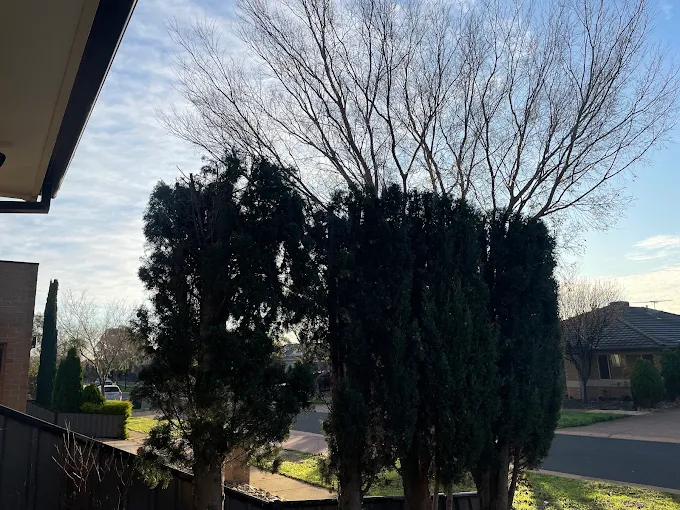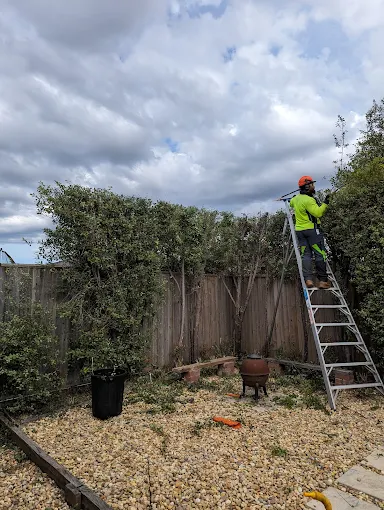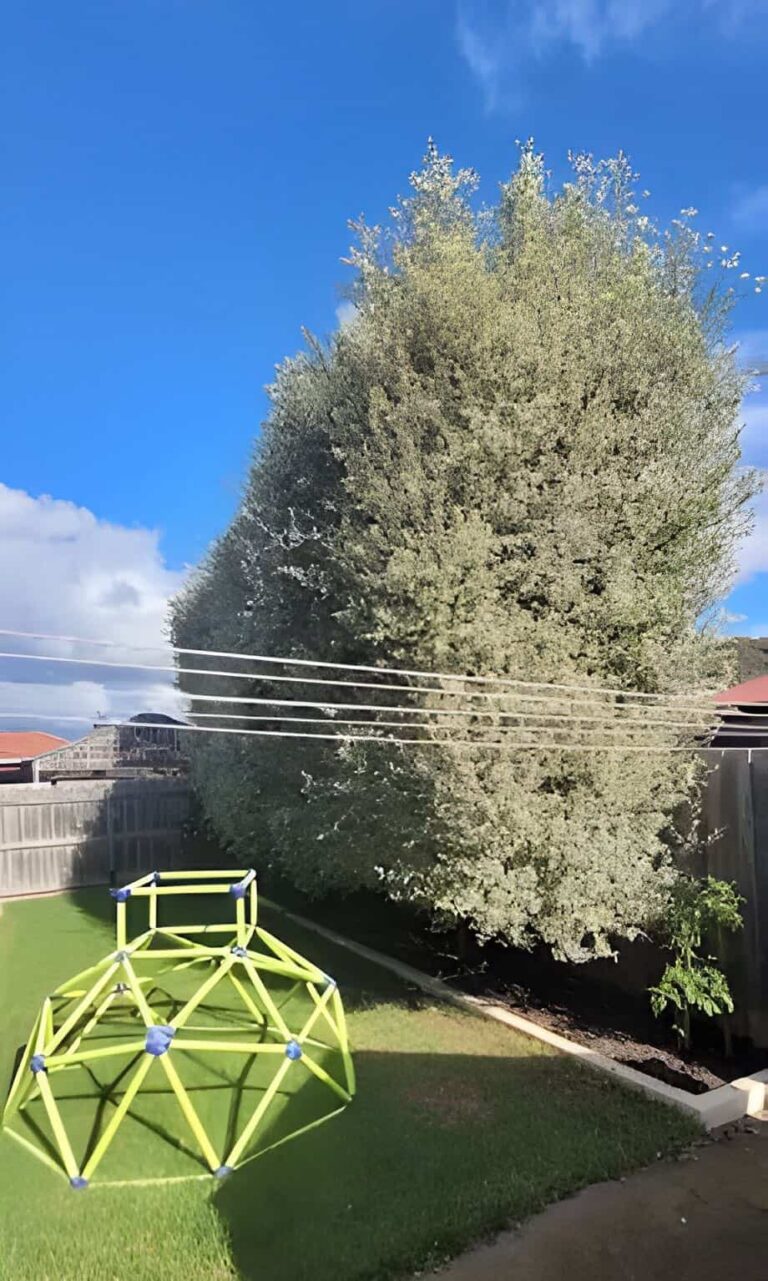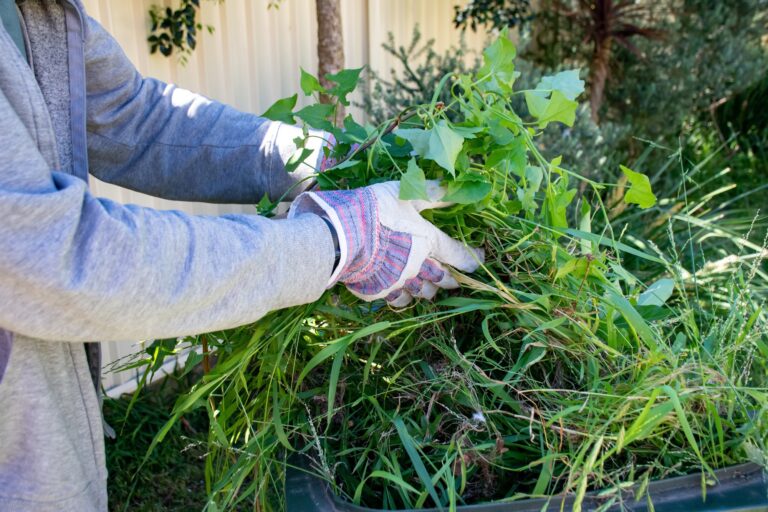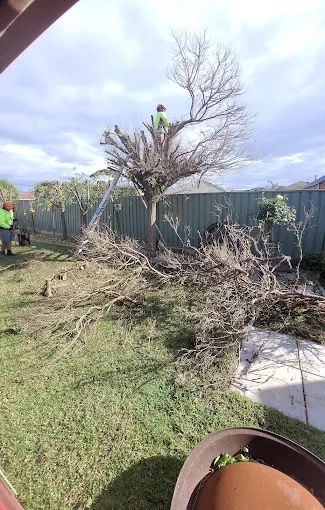
Whether you have a classic box hedge or a row of tall privacy shrubs, professional hedge trimming is essential if you want a lush and well-groomed outdoor space. In Melbourne, hedges grow quickly and can become unruly without proper care, leaving your garden looking tired. By learning how to avoid common trimming mistakes, you can keep your hedges healthy, dense, and pleasing to the eye.
Below, you will discover practical tips for professional hedge trimming. You will see why timing matters, how to prevent over-trimming, which tools deliver the cleanest cuts, and why a smooth, tapered shape can make all the difference in plant health. You will also find guidance on local Melbourne services equipped to handle everything from everyday maintenance to major hedge makeovers.
Why Professional Hedge Trimming Matters
Professional hedge trimming is about more than appearances. When you maintain your hedges properly, you give them the best chance to grow strong and resist pests or disease. In a busy city like Melbourne, hedges often act as natural boundaries for homes and businesses, so neat shrub lines do more than decorate. They also indicate a well-kept property.
Trimming with the right tools, at the right time, and in the right way can:
- Encourage new growth in sparse areas
- Prevent disease by removing dead or damaged branches
- Improve hedge density from top to bottom
- Shape hedges for neat, uniform looks
- Reveal potential problems like insect infestations
- Boost kerb appeal and property value
Well-maintained hedges also adapt better to Melbourne’s fluctuating climates. The city can experience everything from scorching summers to wet, chilly winters. If you trim at the correct intervals, you reduce stress on your plants and help them bounce back visually and structurally.
Mistake 1: Over-Pruning Or Pruning At The Wrong Time
One of the biggest pitfalls in professional hedge trimming is cutting too much, too soon. You might be tempted to hack off large sections, hoping to tidy up quickly. However, experts strongly advise against removing more than a third of the hedge’s total growth at once [1]. Over-pruning can shock the plant, weaken its structure, and cause patchy regrowth.
Watch Out For Seasonal Windows
Trimming at the wrong time hurts hedges almost as much as excessive cutting. Different hedge varieties, from evergreens to deciduous species, have unique growth cycles:
- Evergreen hedges often do best with two major trims each year: late spring and late summer, plus a light maintenance trim in winter if needed [2].
- Deciduous hedges benefit from trimming right after their two main growth peaks, typically mid-spring and late summer. This timing encourages healthier recovery [2].
- Flowering hedges usually need trimming immediately after they bloom, so you do not remove next year’s buds prematurely.
You also need to pay attention to local conditions. In Melbourne, it is wise to avoid pruning on the hottest days to prevent scorching and dehydration of fresh cuts. Late winter or early spring tends to be an ideal start since many plants are still dormant, allowing for more vigorous regeneration once the warmer weather returns.
Consider A Gradual Approach
If an old hedge is heavily overgrown, experts recommend a multi-year plan rather than a single drastic cut. The so-called three-year rule gradually reduces height and width, giving the hedge time to develop fresh buds and sturdy branches without over-stressing its system [3].
Mistake 2: Using The Wrong Tools Or Dull Blades
Every professional hedge trimming job should start with the right equipment. Using dull or inappropriate tools can cause ragged cuts that struggle to heal and invite disease or pests. It can also slow you down, as you try to muscle through thick, woody stems.
Choose The Right Hedge Trimmer
Professional hedge trimmers come in different power options and blade lengths, each suited to a specific environment:
-
Cordless Battery Trimmers
Reduced noise, zero emissions, and lower vibrations make cordless trimmers ideal for both residential and commercial settings. Look for models with enough battery runtime to handle your hedge size. For instance, the Erbauer EHT18-Li cordless hedge trimmer (RRP £189.99) won Best Buy from BBC Gardeners’ World Magazine for handling in 2025, featuring a 55cm blade and 25mm cutting capacity [4]. -
Petrol-Powered Trimmers
Great for large properties, petrol trimmers deliver power and mobility but can be heavy and require more maintenance. The Husqvarna 122HD60 petrol hedge trimmer costs £285, has a rotating handle, and an anti-vibration system for comfortable extended work sessions [4]. -
Electric Trimmers
Electric trimmers deliver constant power without the weight of a battery or the fumes of petrol. However, they require an extension cord, which can limit range. Models like the Craftsman 22-inch corded electric hedge trimmer work well for smaller gardens and regular shaping tasks [5].
For finishing touches on thicker stems or delicate shaping, keep bypass pruners or loppers handy. They allow for precise cuts on branches beyond the capacity of standard hedge trimmers.
Keep Blades Sharp And Maintained
Sharp, well-lubricated blades produce neat, clean cuts that heal quickly. Dull blades tear at branches and invite disease. Gardening professionals recommend sharpening hedge trimmer blades every season with a good file to keep the cutting edge in top shape [6].
Regularly check for:
- Loose bolts or fittings
- Build-up of plant sap
- Rust or corrosion
- Blunt teeth
By giving your tools some attention before each use, you will not only get smoother results but extend the trimmer’s lifespan too.
Mistake 3: Ignoring Proper Safety Measures
Professional hedge trimming often involves tools running at high speeds, sharp blades, and repetitive tasks that can lead to strain if you are not careful. Regardless of your experience, it is wise to follow proper safety protocols each time you trim.
Wear Protective Gear
When working on a hedge, your eyes, hands, and ears need shielding:
- Safety goggles or a face shield protect against flying debris and small branches.
- Thick gloves reduce the odds of cuts or blisters.
- Ear protection is recommended when operating noisy petrol or electric machinery.
- Sturdy, non-slip footwear helps you keep a firm footing, especially on uneven ground.
Proper clothing can also reduce scuffs or scratches. Choose close-fitting garments that will not get caught in moving blades and make sure they provide enough coverage on your arms and legs.
Use Ladders And Platforms Responsibly
Some hedges are quite tall. If you need a ladder or scaffolding to reach the top, ensure you have sturdy, well-positioned support. On softer, uneven ground, get a stable platform or consider a pole hedge trimmer for safer overhead cutting. Models like the Ryobi Cordless Battery Pole Hedge Trimmer reach up to eight feet, though you need to be mindful of fatigue when working above shoulder height [5].
Check For Wildlife
Regulations in many places protect bird nests and other wildlife. In the UK, the Wildlife & Countryside Act 1981 prohibits disturbing active nests during breeding season (March to August) [7]. In Victoria, it is also wise to check for signs of wildlife. Avoid trimming if you see nest building, eggs, or chicks in your hedge.
Mistake 4: Forcing Artificial Shapes And Disregarding Hedge Anatomy
While it can be tempting to sculpt your hedge into perfectly straight walls or elaborate geometric shapes, it often harms overall plant health. Many professional hedge trimming specialists recommend preserving a gentle taper. The aim is to keep the base wider than the top so that lower branches still receive adequate sunlight [6].
The Tapered Hedge Advantage
When the top of your hedge is narrower than the bottom, sunlight and air can easily reach every layer of growth. This encourages leaves to thrive all the way down, resulting in a dense, vibrant hedge. If the top is too broad, the upper leaves dominate the sun exposure, causing the lower branches to weaken or die back.
Respect The Hedge’s Natural Growth Pattern
Different plants have different growth habits. A box hedge may bounce back quickly from shaping, while cypress or conifers might respond poorly to harsh pruning past the green growth. Forcing uniform shapes across different species can reduce their natural beauty and might cause long-term damage. A professional approach involves understanding the hedge’s growth pattern and working with it, not against it.
Mistake 5: Skipping Regular Maintenance And Aftercare
Hedge trimming is not a one-time event. Once you have shaped your hedge, a cycle of maintenance keeps it from unraveling. If you let new shoots grow unchecked, the hedge can lose its old definition and become overgrown again.
Watering And Feeding
Right after you trim, the plant can be more susceptible to dryness and stress, so make sure you water deeply if conditions are dry. Adding a layer of mulch around the plant’s base locks in moisture. An appropriate fertiliser for hedges, used at recommended intervals, can fuel robust new growth.
Clean Your Tools
Diseases can spread through unclean blades, so rinse or wipe them down after each trimming session. Disinfecting them with a mild cleaning solution helps protect the next hedge you work on.
Monitor For Pests
Fresh cuts can attract pests, especially if the hedge was already under stress. Keep an eye out for insect activity around new shoots or near older cuts. If you notice early signs of infestation, address it promptly with natural deterrents or mild pesticides.
Tools And Techniques For Success
A smooth, efficient trimming session relies on proper techniques, combined with the right equipment. Below is a quick reference table summarising some key hedge trimmer options highlighted in 2025 reviews. Choose one suited to your hedge size, location, and level of experience:
| Trimmer Model | Power Source | Blade Length | Notable Features |
|---|---|---|---|
| Erbauer EHT18-Li (RRP £189.99) | Cordless | 55cm | Diamond-ground teeth, rotates for vertical/diagonal cuts |
| Husqvarna 122HD60 (Approx. £285) | Petrol | 59cm | Rotating handle, anti-vibration system |
| Greenworks G40HT61K2 (£169.99) | Cordless | 61cm | Jam-prevention, lightweight design |
| Webb HC600 (£159.99) | Petrol | 56cm | Five-position rotating handle, wide tooth spacing |
| Stihl HSA 30 (RRP £144) | Cordless | 45cm | Easy assembly, 50-minute runtime, small cutting capacity |
| Craftsman 22-inch | Corded | 56cm | Lightweight, 3.8-amp motor, low vibration |
| Ryobi 18V One+ | Cordless | 56cm | ¾-inch cut capacity, minimal vibration |
| Ryobi Cordless Battery Pole Hedge Trimmer | Cordless | 46cm | Extendable reach up to 8 ft, heavier overhead usage |
Aside from the primary trimmers above, a combination of smaller hand tools ensures complete control of the end result. Secateurs, loppers, and shears let you tackle stubborn branches, refine curves, and lightly trim new shoots without damaging the healthy, older parts of the hedge.
Two-Pass Method
A tried and tested approach is to trim in two passes:
- The initial rough cut, where you remove large sections of new growth or reduce the hedge to a near-final shape.
- A finer finish pass, where you step back, identify uneven spots, and clean up the hedge line.
This method also lets you confirm each side as you go, preventing uneven angles.
Work In Manageable Segments
Rather than tackling an entire yard of hedges in a single stretch, break it into small sections. That approach reduces fatigue and allows you to check each segment more thoroughly.
Best Times For Different Hedge Types
Professional hedge trimming schedules differ based on plant species, geographical conditions, and the property owner’s aesthetic goals. Here are key timing insights backed by landscape pros:
-
Late Winter Pruning
Around late July to mid-August in Melbourne, many hedges are dormant. This is an excellent window for more significant shaping, reducing the plant before new spring growth begins [3]. -
Spring Tidying
A light touch-up in early spring removes the stray branches so you can keep your hedges even and encourage balanced leafing as the weather warms. -
Summer Maintenance
By June or July, many shrubs have experienced their main burst of growth. Trimming around this period keeps them tidy without exposing them to mid-summer scorch [8]. -
Autumn And Early Winter
If you notice leggy or unbalanced growth in autumn, you can do a minor shaping before the colder season sets in. However, in extremely cold conditions, brand-new cuts may be vulnerable to frost damage.
Regional Differences
If properties are situated in parts of Melbourne that get hotter or drier earlier in the season, you may need to adjust your plan, possibly performing trims earlier in the year to avoid heatwaves. Meanwhile, in wetter suburbs or cooler spots, you could extend your schedule for a few more weeks.
Finding The Right Professional Hedge Trimming Service In Melbourne
When your hedge responsibilities become too large or time-consuming, hiring a local expert is often worth the investment. Choosing professionals lets you benefit from specialised knowledge, commercial-grade equipment, and a swift, tidy finish. That is where hedge trimming services from a reliable company make all the difference.
Aps Tree Removal
Aps Tree Removal specialises in shaping and trimming hedges across Melbourne, including tall privacy screens up to 10 metres high. With over 16 years of experience and a sizeable base of satisfied clients, they have the know-how to tackle everything from seasonal touch-ups to major revamps. Their team uses commercial-grade equipment and a careful approach to preserve plant health throughout the process [9].
Alongside hedge trimming, they offer a range of property maintenance solutions, making them a one-stop shop for tasks such as tree pruning, removals, and green waste cleanup. You can expect a tailored experience, as they consider factors like hedge species, growth stage, and location before recommending a plan.
When To Seek Professional Help
- Your hedge is too tall or wide to safely manage with home tools.
- You lack the time or inclination to perform regular maintenance.
- The hedge is overgrown or heavily diseased, requiring a gradual overhaul.
- You need precise shaping for a commercial property, such as a hotel or office park.
If this sounds like your situation, it may be time to connect with hedge trimming companies near me for a quote.
Conclusion
Professional hedge trimming is your key to a garden that looks polished year-round. By avoiding common mistakes like over-pruning and careless cutting, you will let your hedges develop strong, vibrant growth. Take advantage of the right tools, follow smart safety guidelines, and consider your hedge’s unique species when deciding on trim times.
Above all, if the task seems overwhelming or you want ultimate peace of mind, an experienced team such as Aps Tree Removal can handle the job. They understand Melbourne’s climate, hedge varieties, and local regulations. Whether you are aiming to reduce your maintenance headaches or want that picture-perfect, shrub-lined driveway, the right professional approach will guarantee healthy hedges that frame your property beautifully. Your outdoor space deserves the best care, and with thoughtful trimming habits, you can achieve it year after year.