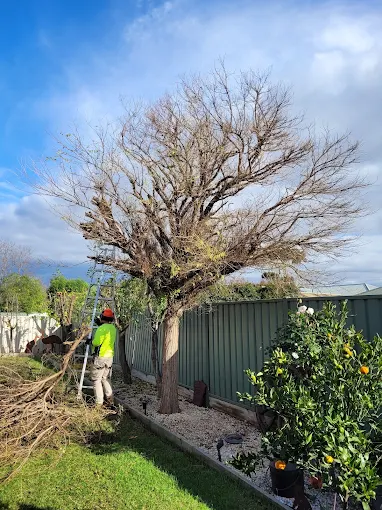
When you need professional tree removal experts, you’re investing in safety, efficiency and peace of mind. Attempting DIY removal may seem cost-effective at first, but hidden risks—from unpredictable root systems to dangerous heights—can turn your project into a disaster. Certified arborists bring specialised training, industry-standard equipment and risk management protocols that protect you, your property and anyone nearby.
In this guide you’ll learn how to:
- Recognise the hazards of DIY removal
- Verify credentials and insurance
- Estimate realistic costs
- Plan for compliant, safe operations
- Choose the right local experts
- Prepare your site for removal
- Ensure thorough cleanup
Recognise Removal Hazards
DIY tree removal poses serious risks. A miscalculated cut or unexpected branch failure can lead to injury, structural damage or even death. Professionals follow strict safety standards such as ANSI A300 and ANSI Z133 [1], mitigating hazards at every step.
Key dangers of DIY removal:
- Unstable Cuts: Without arborist training, predicting the direction of a falling tree is guesswork. Pros use rigging systems and cranes when needed to control descent.
- Complex Root Structures: Species like aspen and pine have wide, entangled roots that resist simple extraction, increasing the risk of partial falls and stump upheaval [2].
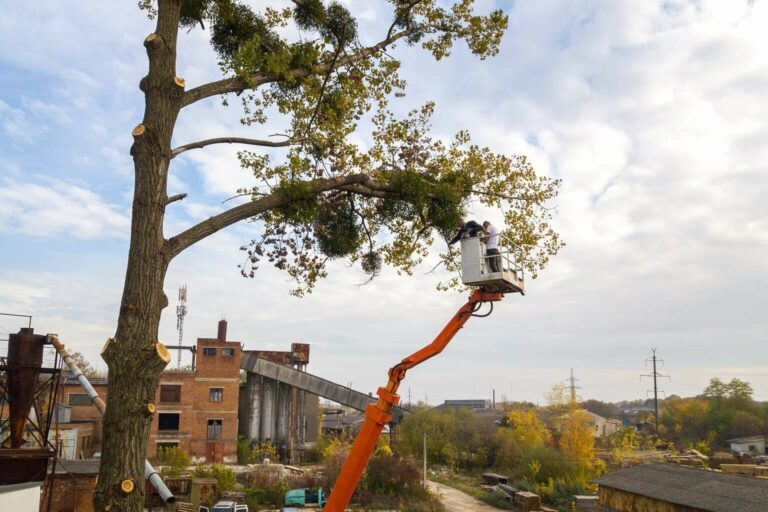
- Height and Equipment Limits: Trees over 80 feet often require boom trucks or cranes (from around $500 per crane rental) plus skilled operators. Amateur setups can’t match that reach or control.
- Emergency Scenarios: A tree leaning dangerously toward your home or power lines can demand crisis removal at premium rates—up to $5,000 in some cases [3].
- Liability Exposure: Injuries or property damage during DIY removal aren’t covered by homeowner insurance, leaving you to foot medical or repair bills.
By recognising these hazards, you’ll see why professional tree removal experts are the smarter choice for protecting lives and assets.
Check Credentials And Insurance
When you hire arborists, credentials and insurance aren’t optional—they’re essential. Look for these marks of a reputable provider:
Certified Arborists
- ISA Certification: The International Society of Arboriculture offers arborist credentials after 400 hours of education, exams and hands-on demos [4].
- TCIA Membership: Tree Care Industry Association members adhere to best practices and ongoing training. Their logo indicates industry leadership and community education.
- NALP Programs: The National Association of Landscape Professionals partners with ISA for tree care credentials, ensuring arborists understand both horticulture and safety.
Insurance Coverage
- Public Liability: Covers third-party injury or property damage. Never accept a verbal guarantee—ask for a certificate.
- Workers’ Comp: Protects crew members on your property. Confirm coverage matches local legal requirements.
- Equipment Insurance: High-value gear like boom trucks and chippers should be insured against damage or loss.
Verify credentials by requesting copies of certifications and insurance policies. Check that policies are current and valid in your state or territory. If you have questions about policy details, refer to tree removal insurance coverage for guidance.
Estimate Removal Costs
Understanding price ranges and cost drivers helps you budget accurately. Typical professional tree removal costs in Australia fall between $200 and $2,000, with an average around $750 per tree [2]. Emergency removals or complex sites can push costs to $5,000 or more [3].
Cost Factors
- Tree Size and Height: Larger diameters and heights require more labour, rigging and equipment.
- Species and Condition: Hardwoods or trees with brittle branches raise complexity.
- Location and Access: Close proximity to structures, fences or power lines adds time and safety controls.
- Quantity: Removing multiple trees often yields a lower per-tree rate but increases total cost.
- Additional Services: Stump grinding, green waste removal and permit applications add fees.
Use this quick breakdown to shape expectations:
| Service Component | Typical Cost Range |
|---|---|
| Small tree (under 30 ft) | $200–$600 |
| Medium tree (30–60 ft) | $600–$1,200 |
| Large tree (over 60 ft) | $1,200–$2,000+ |
| Emergency removal | $1,000–$5,000 |
| Stump grinding | $150–$400 per stump |
| Permit application | $50–$200 |
For a tailored projection, request a detailed quote or use our tree removal cost estimate tool. A transparent estimate should break down labour, equipment, disposal and any permit fees.
Plan For Safe Removal
A thorough plan prevents delays and ensures compliance with local regulations. Key steps include:
-
Check Local Regulations
Local councils often require permits for tree removal, especially for protected species or heritage trees. Failing to secure approvals can lead to fines or work stoppages [1]. -
Conduct Site Assessment
Professionals inspect:
- Proximity to buildings, fences and power lines
- Soil stability and root spread
- Tree health and structural defects
- Access routes for cranes or trucks
-
Define Work Zones
Mark exclusion areas for bystanders and pets. Use safety tape and signage to minimise foot traffic into danger zones. -
Coordinate with Utilities
If cutting near power lines, ensure a qualified electrician or utility company de-energises circuits. -
Schedule for Weather Conditions
Wind, rain or storms can compromise rigging safety. Lock in dates with a window for safe, clear weather.
A cohesive plan built with your arborist reduces unexpected costs, enhances crew safety and keeps the project on track.
Choose Local Experts
You deserve experts who know Australian conditions and regulations. To find them:
- Search for tree removal services near me or tree removal contractors near me.
- Review ratings, testimonials and case studies from local tree removal companies.
- Ask for site-specific references, ideally within your suburb or neighbouring areas.
When comparing quotes, probe these items:
- Scope of Work: Confirm what’s included—cutting, chipping, stump removal, debris hauling.
- Equipment List: Does the team have boom trucks, cranes, mechanical rigging systems and chipper trailers?
- Timeline: How many days for removal and cleanup?
- Team Composition: Ensure a crew of arborists, climbers and ground staff for safe, efficient work.
- Warranty: Some experts guarantee work quality for a period—ask about follow-up inspections.
A structured comparison empowers you to choose a contractor who balances cost with expertise and local knowledge.
Prepare Your Property
On removal day, clear the way for your crew and their equipment. Your checklist:
- Remove Vehicles and Valuables: Keep driveways and sheds free from debris or parked cars.
- Clear Obstacles: Move garden furniture, potted plants and tools at least 10 m from the work zone.
- Mark Underground Utilities: Use utility-location services or flags to outline gas, water and electrical lines.
- Secure Pets and Children: Designate a safe area well outside the exclusion zone.
- Communicate Access Points: Point out gates, paths and side-yard entries to the crew lead.
Preparation reduces downtime and helps the arborists focus on cutting, rigging and safe felling rather than navigating around unexpected obstacles.
Ensure Proper Cleanup
After felling, a licensed crew doesn’t just leave logs behind. Proper cleanup includes:
Stump Grinding Options
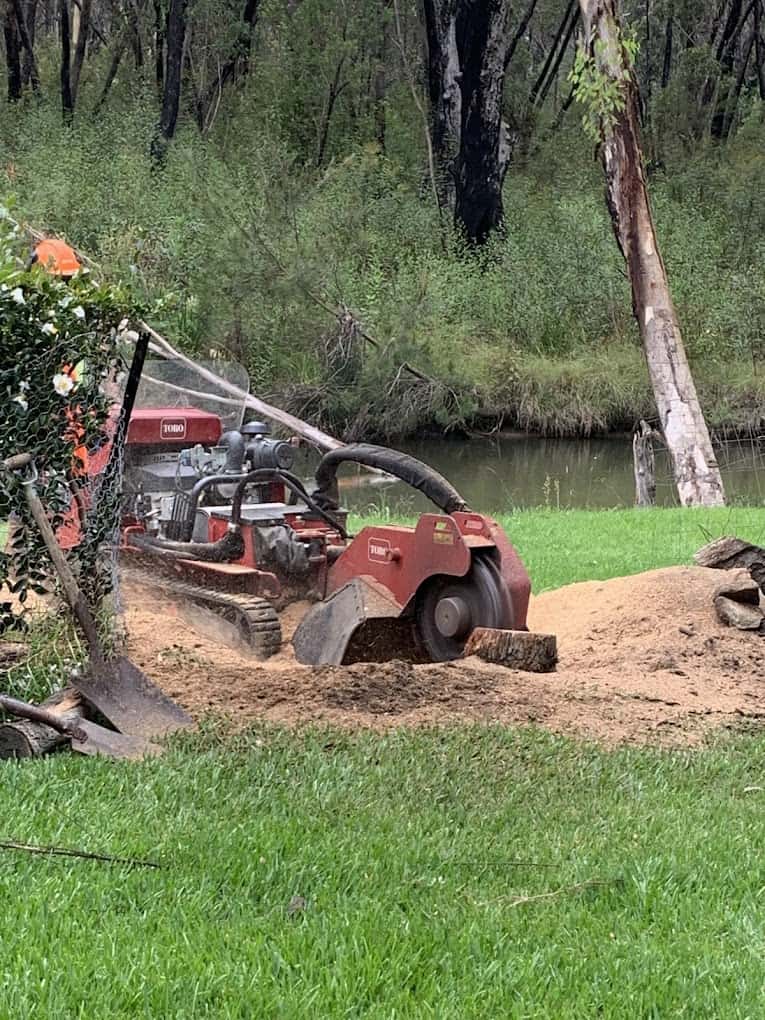
- On-site Grinding: Machines chew stumps to below soil level, allowing you to replant or turf.
- Complete Stump Removal: Excavation removes roots entirely, reducing the chance of regrowth.
Explore tree removal stump grinding services for detailed options.
Green Waste Disposal
- Mulch Production: Wood chips can become free mulch for your garden beds.
- Chipped Hauling: Contractors often include removal of chips and branches in their quote.
- Recycling Guidelines: Confirm with your waste provider about organic recycling or green-waste drop-off.
By entrusting cleanup to professionals, you avoid the hassle of renting grinders, hauling debris or facing fines for improper disposal.
With hazards managed, credentials verified, costs forecast and cleanup handled, you’re ready to hand over the reins to professional tree removal experts. Their training, equipment and local knowledge will transform your removal project from a risky DIY job into a smooth, compliant process—leaving your property safe, tidy and ready for whatever comes next.