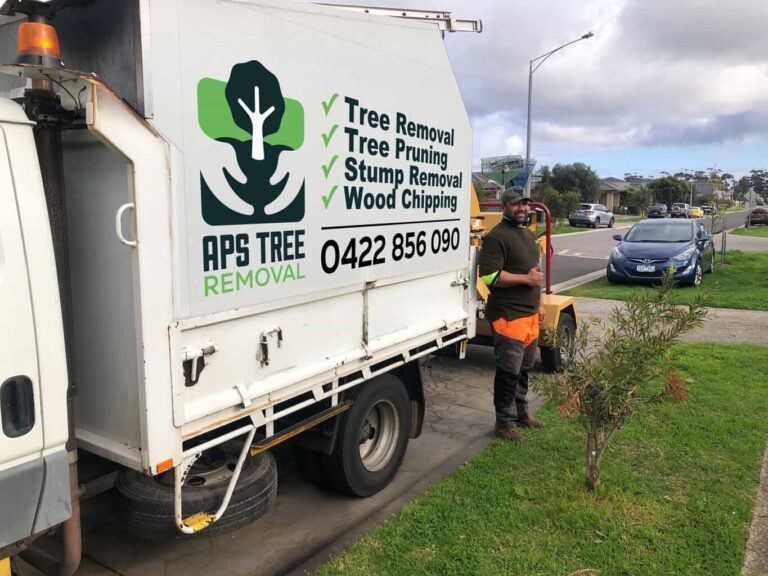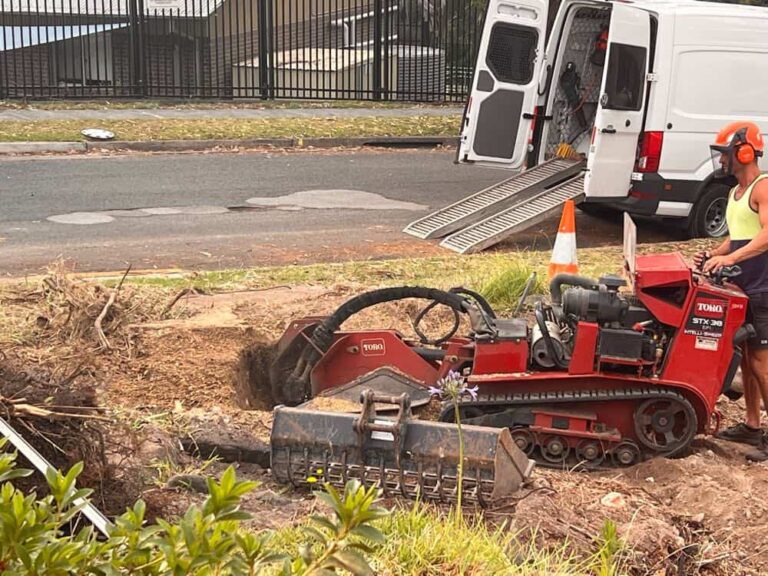
When you need quick and safe tree removal contractors near me, your top priority is protecting your property and those around it. Whether you’re dealing with a storm-damaged limb that threatens your roof or clearing ground for a new landscaping project, finding reputable local professionals makes all the difference. If you’re searching for tree removal services near me, this guide will help you vet each provider, understand the costs involved and prepare your site for a seamless tree removal.
In Australia, regulations vary by state and territory, so you must confirm that any contractor holds the relevant arborist licence and business approvals. You’ll also want to ensure they carry comprehensive insurance, follow industry-standard safety protocols and back their work with recognised credentials. Read on to learn how to choose the right team for your tree removal project, compare quotes and keep your property safe from start to finish.
This guide covers:
- Checking licences, certifications and references
- Verifying insurance and coverage limits
- Comparing removal cost breakdowns
- Assessing safety procedures and tools
- Preparing your site and neighbours
- Handling emergency removal situations
- Planning stump removal and landscape restoration
Removing a large or hazardous tree yourself is not recommended, as DIY attempts account for a significant number of on-site injuries each year. Hiring a qualified team not only speeds up the process but also ensures compliance with local regulations and environmental standards.
Check Contractor Credentials
Before you request a quote, verify that potential tree removal contractors near you are properly licenced, bonded and insured. Reputable operators will be transparent about their paperwork and happy to share documentation.
Confirm Licencing Requirements
In Australia, each state and territory sets its own rules for tree work licences and contractor registrations. Contact your local council or refer to your state government’s website to confirm whether you need:
- An arborist or tree worker licence
- A business licence or contractor licence
- A council permit for removing protected or heritage trees
- A valid Australian Business Number (ABN)
As Angi notes, all tree removal companies should be licenced, bonded and insured, with exact requirements varying by jurisdiction [1]. Ask for a clear photograph or digital copy of the licence, and match the licence number against the issuing authority’s database.
Look For Certification And References
Industry certifications show a commitment to continual learning and best practice. Seek contractors accredited by:
- International Society of Arboriculture (ISA)
- Tree Care Industry Association (TCIA)
- National Association of Landscape Professionals (NALP)
In addition to certificates, check customer reviews and references. Request:
- A list of recent local projects
- Contact details for past clients
- Links to online reviews or testimonials
Trusted peer feedback helps you understand workmanship quality and professionalism. For a quick local directory, consult local tree removal companies with strong community reputations.
Verify Business Standing
In addition to licences and certifications, confirm the contractor’s legal and financial standing:
- Check the Australian Business Register to verify their ABN status
- Search for any outstanding complaints via state tribunal or fair trading websites
- Request proof of current bank guarantee or performance bond if required for large-scale removals
- Look up any insolvency notices or public filings that could impact project completion
A financially stable contractor is less likely to cut corners or abandon a job midway, protecting your investment.
Verify Insurance Coverage
Tree removal is inherently hazardous, so adequate insurance is non-negotiable. Confirm that your chosen contractor carries both public liability and workers compensation insurance to protect you, your neighbours and the crew.
Public Liability Insurance
Public liability insurance covers property damage and third-party injury claims. Without it, you could be held liable for:
- Damage to your house, fence or neighbouring properties
- Damage to vehicles, garden structures or buried services
- Legal fees arising from injury claims
Ask for a certificate of currency and ensure coverage of at least AUD 10 million, which is common for high-risk work. Verify the insurer’s name, policy number and expiry date.
Workers Compensation
Workers compensation insurance covers on-site injuries suffered by the contractor’s employees. Confirm:
- The policy meets your state or territory requirements
- Any subcontractors are also covered
- There are no recent claims that could suggest underinsurance
Insurance requirements differ by jurisdiction; for example, in Minnesota, a business working on a tree over 12 feet tall must hold workers compensation [1]. In Australia, check your state regulator for specific thresholds and exclusions.
Review Exclusions And Excesses
Insurance policies often include exclusions and excesses that affect your out-of-pocket costs:
- Exclusion clauses for certain tree species, heights or terrain conditions
- Geographic exclusions for remote areas or extreme weather events
- Excess payments per claim, which you or the contractor must cover first
- Limits on cover for subcontractors or equipment hire
Ask contractors to highlight any policy exclusions and explain how they manage excess costs. Clear communication prevents unexpected bills if a claim arises.
For more on policy types and limits, see tree removal insurance coverage.
Compare Removal Costs
Understanding typical pricing helps you distinguish fair quotes from under- or over-charging. Tree removal costs vary based on tree size, species, location and job complexity. Follow these steps to compare quotes effectively.
Step-By-Step Quotation Checklist
When you request a quote, provide clear details:
- Tree height (estimate in metres or feet)
- Trunk diameter (measure at chest height)
- Tree species and health (noting decay or pests)
- Proximity to structures, power lines or fences
- Access constraints (e.g. narrow lanes, steep slopes)
- Additional services (stump removal, debris cleanup)
Ask each contractor for an itemised quote so you can compare line items such as labour, equipment hire, disposal fees and permits.
Typical Cost Ranges
According to Angi, the average tree removal in the US is around US$750, with prices from US$200 to US$2,000 [2]. This Old House notes that emergency or complex removals can reach US$5,000 [3]. In Australia, you can expect similar rates in AUD, subject to local labour and disposal regulations.
| Tree Height | Typical Cost Range (AUD) |
|---|---|
| Up to 9 m (30 ft) | $300–$700 |
| 9–18 m (30–60 ft) | $700–$1,500 |
| Over 18 m (60 ft) | $1,500–$3,000 |
| Emergency or Hard-to-Access | Up to $5,000 |
Cost Drivers And Stump Removal
- Root complexity (e.g. pine, aspen) adds labour time
- Required permits or council fees may be invoiced separately
- Debris removal or wood recycling can incur disposal charges
- Stump grinding or removal is typically $100–$150 extra
Use our tree removal cost estimate to generate a ballpark figure for your project before you begin.
Tips To Reduce Costs
You can often negotiate or trim expenses with these strategies:
- Schedule work during off-peak seasons to access lower weekday rates
- Bundle multiple trees or garden projects with the same contractor for bulk discounts
- Handle minor debris like small branches and leaves yourself to cut disposal fees
- Provide clear, accurate measurements to avoid quote revisions
- Ask contractors to recycle wood on-site, reducing transportation and landfill charges
Smart planning helps you secure quality service at a competitive price.
Assess Safety Measures
Safety should be your priority from the initial inspection through to site clean-up. Verify that your chosen contractor follows stringent on-site protocols and uses industry-approved techniques.
Equipment And Rigging
Professional teams arrive with:
- Chainsaws equipped with anti-kickback features
- Rigging ropes, pulleys and slings for controlled dismantling
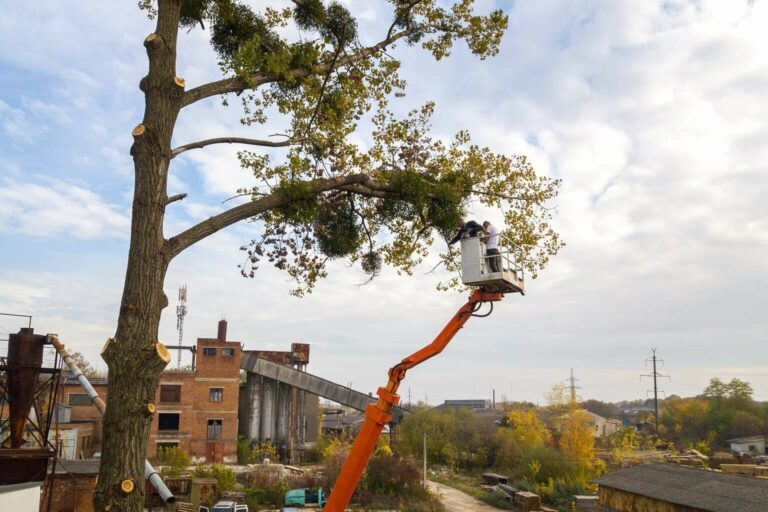
- Elevated work platforms or bucket trucks
- Protective gear (helmets, gloves, eye and ear protection)
For example, Green Vista Tree Care deploys a remote-controlled crane and one of the largest bucket trucks in urban tree care, allowing them to navigate tight spaces without compromising safety [4]. When you consult professional tree removal experts, ask specifically about their equipment list and maintenance schedules.
On-Site Safety Protocols
A competent crew will:
- Conduct a full risk assessment and site survey
- Establish exclusion zones with markers or barricades
- Wear high-visibility clothing and personal protective equipment
- Coordinate ground crew and climbers using hand signals or radios
- Use sectional dismantling rather than full-tree felling when space is restricted
Directional felling is suitable only when falling the entire tree poses no risk to structures or passers-by. Sectional dismantling, by contrast, lowers sections methodically to the ground, minimising site disturbance.
Crew Qualifications
Ask about the team’s experience and training:
- Formal arboriculture qualifications or apprenticeships
- First aid and CPR certification
- Experience with similar removal scenarios
- Records of safety audits and incident history
Environmental Protocols
Responsible contractors follow green practices that benefit your site and the planet:
- Chip or shred removed branches for mulch reuse on your property
- Segregate green waste for composting or local biomass facilities
- Avoid work during nesting season to protect local wildlife (check state environmental guidelines)
- Use low-noise equipment when working near residential areas or hospitals
- Recycle steel cables, chainsaw blades and fuel containers to minimise landfill
Ask contractors how they handle waste and environmental compliance to choose a team aligned with eco-friendly standards.
Prepare Your Property
A little preparation on your part can speed up the removal process, reduce risks and potentially lower your quote. By organising the area beforehand, you’ll create a safer environment and help the crew work more efficiently.
- Clear vehicles, toys and outdoor furniture from the work zone
- Trim back low-hanging garden hoses or irrigation lines
- Mark underground services (gas, water, broadband) with flags or spray paint
- Ensure safe vehicular access for trucks, trailers and machinery
- Notify neighbours in advance, especially if public footpaths or road closures are needed
- Lock gates and secure pets inside to avoid accidental escapes
Coordinate With Authorities
Some tree removal projects require local approvals or coordination:
- Apply for temporary road closure permits if trucks block public streets
- Notify your electricity provider if branches overhang power lines; they may disconnect supply
- Check water authority regulations before marking or digging near mains
- Obtain council approval for heritage or significant tree removal, which can take two to four weeks
- Consult environmental officers if your property borders protected bushland or waterways
Early engagement with authorities prevents delays and costly last-minute changes.
Schedule Emergency Removal
When a tree poses an immediate threat to life or property, you need a rapid response. Emergency tree removal services specialise in urgent situations and often operate 24/7.
Recognise Urgent Risks
Call for emergency assistance if you see:
- A tree uprooted or leaning at an extreme angle
- Large cracks splitting the trunk or major limbs
- Branches caught in power lines or hanging over your roof
- Severe root damage exposed after heavy rainfall or storms
Steps To Secure A Rapid Response
- Photograph the damage to document the hazard for insurance purposes
- Keep bystanders and pets at least 10 metres away
- Contact an approved emergency tree removal service immediately
- Notify your insurer and request coverage details
- Follow any on-site instructions from the contractor to maintain safety
Companies like Green Vista Tree Care and Timber Works Tree Care offer 24/7 emergency teams that can arrive within the hour, provide a safe removal plan and assist with insurance claims [5].
Post-Emergency Care
Once the immediate hazard is removed, plan to restore safety and order:
- Sweep or blow debris from driveways and footpaths to prevent slips and falls
- Secure any remaining branches or root balls with tarpaulins or fencing to avoid soil erosion
- Inspect surrounding trees for stress or damage that could pose future risks
- Engage a qualified arborist for a follow-up health assessment of nearby vegetation
- Keep a maintenance log and schedule regular inspections during storm season
Thorough post-emergency care safeguards your property against secondary damage and liability.
Plan Aftercare Maintenance
Removing the tree is only half the job. Proper aftercare ensures your landscape recovers quickly and your remaining vegetation thrives.
Stump Grinding Or Removal
You have two main options for dealing with the leftover stump:
- Stump Grinding: A specialised machine grinds the stump to mulch below ground level, typically adding $100–$150 to your removal cost. This method leaves the root system intact, preventing soil displacement.
- Full Stump Removal: Excavation removes the entire root ball, ideal if you plan major landscaping changes or construction. Costs vary based on root depth and soil conditions.
Discuss tree removal stump grinding or full removal with your contractor to decide which suits your project.
Landscape Rehabilitation
Once the stump is addressed, restore your site:
- Fill the hole with quality topsoil and level the ground
- Reseed with grass or lay turf to match existing lawn, ensuring soil compaction is minimised
- Plant a replacement tree or shrub suited to local conditions and space constraints
- Apply mulch or fertiliser to aid new plant establishment
- Schedule a follow-up visit with an arborist to monitor the new planting’s health
A solid aftercare plan keeps your garden looking its best and prevents pests like termites or carpenter ants from colonising old wood remnants.
Long-Term Monitoring
To ensure your landscape thrives in the years ahead:
- Schedule seasonal inspections by an ISA-certified arborist, especially before heavy storms
- Prune new growth periodically to establish strong branch architecture
- Monitor soil moisture and nutrient levels with simple home testing kits
- Watch for signs of disease or pest infestation, such as leaf discolouration or bore holes
- Keep a garden journal tracking planting dates, fertiliser applications and weather events
Proactive monitoring helps you spot issues early and maintain a healthy, attractive garden.
Agree Contract Terms
Finalise project details in a written contract that protects both you and the contractor. Key components to include:
- Scope of Work: Detailed description of trees to be removed, stump treatment and debris removal
- Timeline: Start date, estimated duration and any milestone checkpoints
- Payment Schedule: Deposit amount, progress payments and final settlement terms
- Warranty and Guarantees: Coverage period for damage or regrowth, repair obligations
- Permits and Fees: Responsibility for obtaining and paying council permits or utility charges
- Site Clean-Up: Specification of debris removal, wood recycling and property restoration standards
- Change Orders: Process for adjusting scope or costs if unforeseen issues arise
- Insurance Confirmation: Clause stating contractor will maintain required insurance throughout the job
Discuss any potential variations upfront; for example, if you later decide to include additional tree pruning or land clearing, outline how those changes will be priced. Ask for transparent invoicing that breaks down labour, equipment hire, disposal and permit fees. Clarify who is responsible for council inspections or neighbour notifications. If you require recurring maintenance—such as trimming or pruning—request details on ongoing service agreements and discounted packages. Documenting all expectations in writing before work begins gives you confidence that the contractor will deliver on time, on budget and to the highest safety standards.
Quick Recap
- Check contractor licences, ABN details and certifications
- Verify liability and workers compensation insurance
- Gather itemised quotes and compare cost drivers
- Confirm equipment lists and on-site safety protocols
- Prepare access, mark services and inform neighbours
- Act swiftly with an approved emergency tree removal service if needed
- Choose stump grinding or removal and plan landscape restoration
You’re now equipped to select tree removal contractors near me who deliver quick, safe and compliant service. Compare a few local quotes, ask all the right questions and schedule your removal with confidence. Your property, and your peace of mind, depend on hiring the best team for the job.