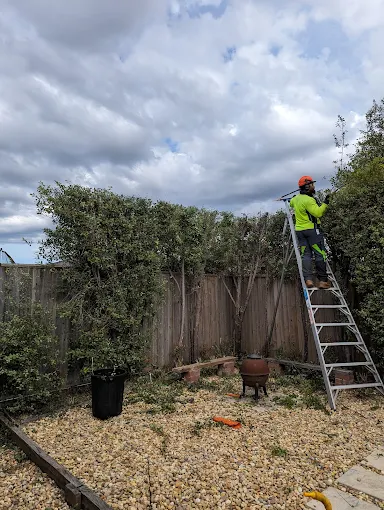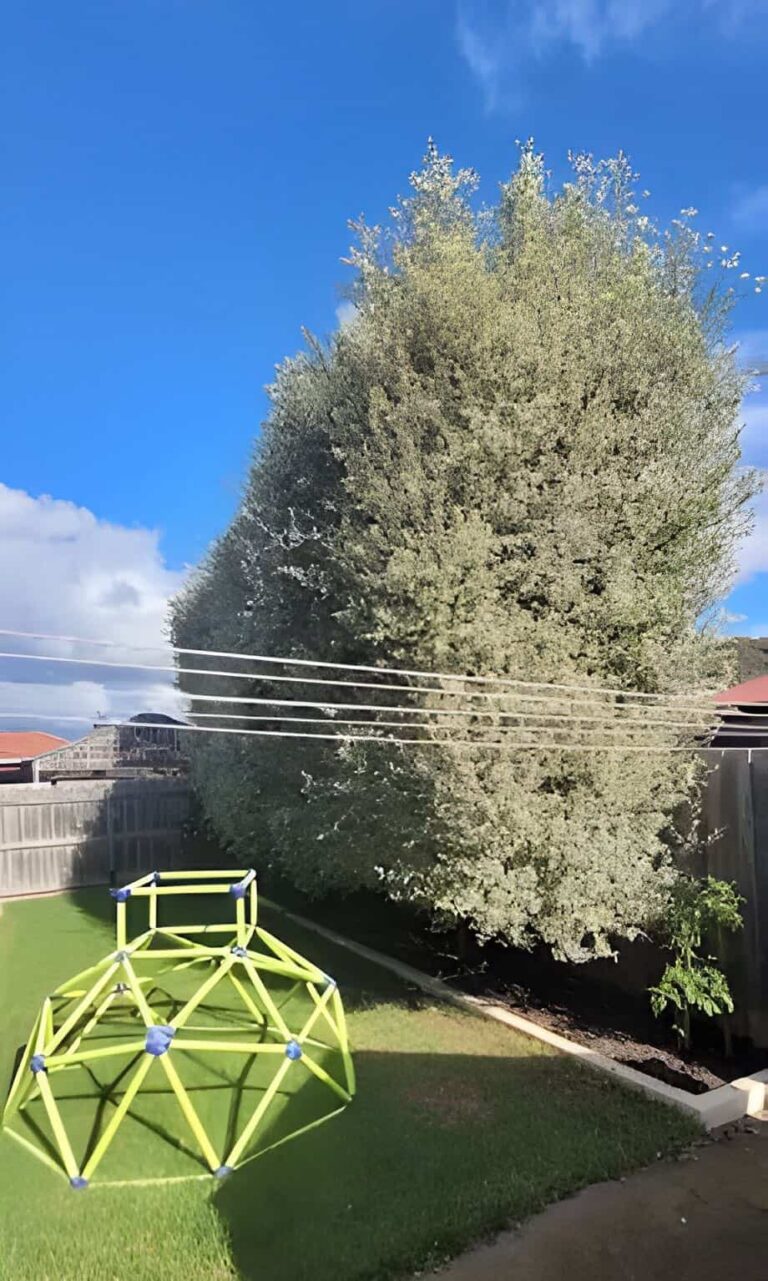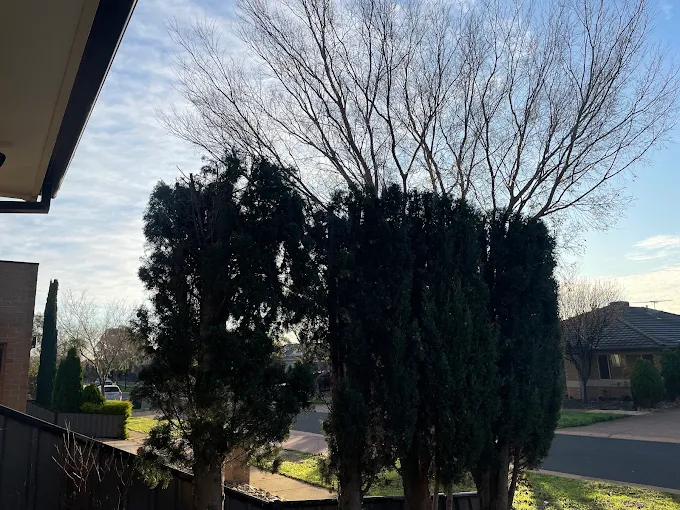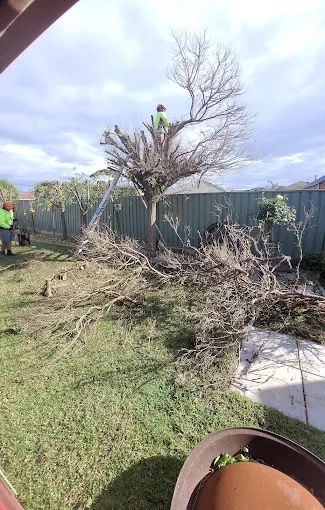
Garden hedge trimming is one of the most important tasks you can do to keep your outdoor space healthy and visually appealing. In Melbourne, well-maintained hedges can boost privacy, improve curb appeal, and protect the long-term vitality of your plants. Still, even the most enthusiastic gardener can stumble into pitfalls that lead to thinning foliage, damaged branches, or even legal issues regarding protected wildlife. By learning to recognise and avoid common mistakes, you give your hedges the best chance to thrive all year round.
Whether you have flowering shrubs along your front path or tall conifer screens standing guard at the edge of your property, hedge trimming guidelines can vary by species, season, and specific plant growth patterns. Many gardeners, for instance, do not realise that cutting different shrubs at the wrong time of year can weaken new growth. Others may use tools that leave ragged cuts, making their hedges more vulnerable to disease. In what follows, you will discover key errors to watch out for, practical solutions based on expert horticultural research, and actionable steps to refine your trimming technique. Equip yourself with this knowledge, and you will maintain strong, vibrant hedges that highlight the natural beauty of your garden.
Avoid Trimming At The Wrong Time
Reasons This Is Critical
Choosing when to trim your hedges is not just about convenience, it is about protecting your plants’ natural growth cycle. Different hedge varieties respond to seasonal changes in distinct ways. For instance, deciduous hedges typically benefit from pruning in early and late summer or early autumn, while evergreen varieties can require two to three trims during the growing season. According to Homes and Gardens, flowering hedges should be pruned right after they bloom, so you do not remove new buds prematurely.
If you cut your hedge too early or too late, you might stress the plant or remove new growth that contributes to its structure. Early trimming can make a hedge sprout too soon, exposing tender buds to cold snaps or scorching sun. Trimming far into late autumn can leave the plant more vulnerable during winter. When these conditions coincide, your hedge may shed leaves more readily and become patchy.
Ways To Avoid It
First, gather basic information about your hedge species. Some, like conifers, thrive on what experts call “containment pruning,” which is best performed from late spring to late summer. Others, like beech, traditionally benefit from two trims: one before midsummer and another in early autumn. By tailoring your routine to each hedge’s natural growth pattern, you reduce the risks associated with trimming at the wrong time.
Second, mark your calendar. You can set reminders for trimming dates, especially if you have multiple hedge species. By planning at the start of each year, you can anticipate periods of active growth and schedule your gardening in alignment with these phases. For instance, you might mark the early summer weeks to deal with deciduous hedges, ensuring that you keep any new growth strong and disease-free.
Finally, stay flexible. Any unusual weather patterns, such as a late spring frost or an unseasonably dry period, may warrant adjusting your schedule. If you observe signs of stress on your hedge, like wilted leaves or slowed growth, consider delaying the trim for a week or two. This approach ensures your plants remain resilient and prepared for whatever Melbourne’s climate decides to throw at them.
Use The Right Tools
Reasons This Is Critical
The tools you use greatly influence the health of your hedges. According to gardening expert Steve Swanborough, cited by Homes and Gardens, dull pruning blades tear branches, increasing the likelihood of infection and pest infestations. When the plant tissue is torn rather than cleanly cut, the hedge’s natural healing mechanism struggles, weakening overall vitality.
In addition, different types of hedges may require specialised equipment. Tall privacy hedges might call for long-reach trimmers or sturdy step ladders to ensure precision. Smaller ornamental hedges often benefit from fine hand shears or lightweight cordless trimmers for delicate shaping. Beyond performance, you do not want to risk your safety by standing on shaky surfaces or using equipment unsuited to the hedge size.
Ways To Avoid It
Put blade maintenance at the forefront. Clean, sharp blades slice through branches easily, leaving a smooth cut that heals quickly. After every major trimming session, disinfect and sharpen your tools. This helps you avoid spreading pathogens from one plant to another, particularly if you are working across multiple hedge varieties in a single day. Sharp tools also reduce strain on your arms, making the job safer and more efficient.
Next, choose tools that match your hedge’s profile. For broader or taller hedges, a lightweight cordless hedge trimmer that can tackle thick branches without bogging down is often ideal. If you are in the market for a new trimmer, Gardeners’ World has tested various models for handling, runtime, and cutting capacity. For smaller precision cuts or detailed shaping, hand shears and loppers might do a better job than a large power tool.
Lastly, practise proper tool storage. Heat, humidity, and dust can wreak havoc on blades and electronics, so keep your trimmers in a dry, secure area. Routine checks will keep everything in peak condition and help you avoid cutting corners when you next head out to maintain your hedges.
Prevent Over-Trimming In One Go
Reasons This Is Critical
Hedges rely on their foliage layers for photosynthesis, which is essential for strong growth. If you remove too much foliage at once, you increase the risk of exposing bare branches to direct sunlight or fungal infection. The research from MyOleo-Mac suggests that evergreens, in particular, can struggle to regenerate once you cut beyond a certain threshold. Taking off 25 to 30 percent of the living branches in a single session can already be risky for some species.
Trees and shrubs do not always bounce back straight away. An over-enthusiastic trim can lead to shock, where the hedge drops more leaves than usual or stops growing to recover. You might see brown patches or spindly branches that never seem to fill out again. If you do too much at once, you make it harder for the hedge to regrow in a symmetrical, appealing shape.
Ways To Avoid It
Spread your major cuts across multiple sessions. For instance, if you suspect your hedge is excessively tall or wide, plan a gradual reduction over one or two years instead of an aggressive single trim. This method gives the plant time to adjust and continue producing new shoots.
Focus on thinning out specific areas. Rather than cutting across the entire hedge line at a uniform depth, identify sections that are particularly dense or showing signs of weakness. Target those spots first, leaving stronger areas for a later trim. This approach reduces the chance of shocking the plant’s entire system.
Finally, keep a close eye on new growth after each trimming session. If you notice bald spots or unhealthy branches, hold off on additional cuts until you see signs of vibrant new foliage. Once your hedge shows healthy regrowth, you can proceed incrementally while preserving its overall density.
Shape Your Hedges Correctly
Reasons This Is Critical
When you trim your hedges, you are not just cutting for size but also for shape. A well-formed hedge has a base that is slightly wider than the top, allowing sunlight to reach the lower branches. If you trim your hedge so that its sides are perfectly vertical, you risk thinning out the base over time because those lower leaves will get less light. According to Homes and Gardens, a vertically sided hedge is only advisable if it is below 40 inches tall.
Poor shaping can also affect your hedge’s structural integrity. Overly top-heavy hedges might struggle under the weight of rainfall. Wind can twist or topple a hedge that lacks a sturdy, balanced shape. Moreover, a lopsided hedge can look patchy and unrefined, detracting from your garden’s aesthetic rather than enhancing it.
Ways To Avoid It
Envision the ideal shape before you make your first cut. Most horticultural experts recommend a “trapezoid shape,” where the base flares outward by a few degrees and the top is slightly narrower. If you are tackling tall hedges, consider using a string line or stakes to guide your angle so that you do not accidentally cut at an inconsistent slant.
Trim gradually from the top down, monitoring each side to keep the shape balanced. Take a small step back every few passes to assess your progress. Some gardeners find it helpful to mark key points on the hedge or use a measuring pole to ensure uniformity. Visual cues offer a reliable point of reference when you are trimming large areas.
Finally, adjust your approach based on species. For instance, some conifers do not regrow foliage on old wood if you cut back too far. In such cases, shaping must be intentional and minimal. With evergreen shrubs, you generally have to leave enough green tips for photosynthesis. Pay attention to how your plants respond over time, and adjust your shaping technique to sustain their healthy growth.
Match Care To Plant Species
Reasons This Is Critical
Each hedge species comes with its own set of care requirements. Flowering hedges, like some varieties of escallonia or camellia, will need post-bloom pruning to avoid cutting away fresh buds. Deciduous hedges may demand multiple trims through summer, while evergreen hedges depend on periodic containment pruning from late spring to late summer. If you treat every hedge the same way, you risk diminishing blooms, stunting growth, or even causing disease in species that prefer careful, minimal cuts.
By ignoring species-specific requirements, you also miss out on achieving each hedge’s potential in terms of colour, texture, and coverage. For example, once you understand that broadleaf evergreens like laurel can handle more frequent shaping, you can maintain a tidy outline without worrying about weakening the plant. Conversely, if you repeatedly trim a slow-growing conifer, you may hinder the hedge from reaching its full height.
Ways To Avoid It
First, do a little homework on the species in your garden. Do not be shy about asking local horticultural experts or referencing reliable online sources. Reading the label from your nursery can give you a head start, but sites like Homes and Gardens and MyOleo-Mac also provide tips tailored to specific hedge varieties.
Next, tweak your trimming schedule and technique accordingly. Fast-growing evergreens might need three trims spread throughout the year, whereas a flowering hedge might only need one or two well-timed cuts. Keep track of any variations in growth rate and seasonal indicators. If your hedge is blossoming later than usual one year, adjust your trimming schedule so you do not cut off emerging flower buds.
Lastly, observe how your hedge responds after each trim. Pay attention to leaf colour, rate of new growth, and any signs of stress. By responding to these cues in real time, you can refine your approach. Over the long run, this species-specific routine will help you maintain diverse hedges that are both beautiful to look at and healthy from root to tip.
Protect Wildlife During Nesting Season
Reasons This Is Critical
In many regions, including Melbourne, local laws protect active bird nests from disturbance. The main breeding season for garden birds typically runs from early spring to late summer. As Gardeners’ World notes, you should always check for bird nests before starting garden hedge trimming. Cutting branches that cradle a nest can endanger the birds or force them to abandon their eggs at a critical time.
Beyond birds, hedges often serve as habitats for beneficial insects and small mammals. By trimming indiscriminately, you risk disrupting pollinators or creatures that help control pests. Preserving these habitats can contribute to a more balanced garden ecosystem where your plants thrive naturally, reducing the need for chemical interventions or additional pest control measures.
Ways To Avoid It
Begin each trimming job with a thorough inspection. Look for signs of nesting activity, such as birds flying in and out of the same section, or the sounds of chirping. If you suspect an active nest, consider delaying your trim until after the chicks have fledged. This short postponement goes a long way toward protecting local wildlife while keeping you compliant with legal requirements to preserve protected species.
Schedule your trimmings around peak breeding months. If you can plan your major cuts during late winter or in early autumn, you minimise the risk of encountering occupied nests. Although some birds nest outside the typical season, this timing greatly reduces the likelihood of disturbing them.
If your hedge is tall or dense, proceed carefully, trimming one section at a time. This slower pace makes it easier to spot any hidden nests. Should you discover an unexpected nest halfway through your work, leave that section of the hedge intact until the birds have safely moved on. By adopting a wildlife-conscious approach, you keep your garden vibrant and harmonious for both plants and animals.
Maintain Regular Hedge Check-Ups
Reasons This Is Critical
A well-planned trimming schedule is only part of the picture. Regular inspections allow you to catch early signs of disease, pest infestations, or nutrient deficiencies. When you take the time to look over your hedges every few weeks, you might spot yellowing leaves or thinning branches that signal stress. Addressing these issues early can prevent more severe problems down the line, including irreversible damage to your hedge’s structure.
Frequent check-ups also help you adapt to seasonal variations quickly. Melbourne’s weather can be unpredictable. A sudden heatwave or unusually heavy rain can drastically alter your plants’ moisture balance or cause fungal growth on new shoots. By noticing these changes as soon as they appear, you can adjust watering, fertiliser, or trimming routines accordingly.
Ways To Avoid It
Incorporate hedge check-ups into your standard gardening routine. After you have watered your plants or mowed the lawn, spend a few extra minutes walking around your hedges. Gently move the branches to see if they bounce back or snap. Look for spots where insects might be gathering. Early detection helps you prevent minor concerns from becoming large-scale problems.
Record your observations. You might keep a simple notebook or use a garden app to log any changes you see. By tracking details such as leaf colour, branch density, and new growth speed, you can observe patterns over time. If you notice the same symptoms recurring annually, you can consult an expert or refer to sources like MyOleo-Mac to troubleshoot persistent issues.
Keep your hedge trimming tools accessible so you can tackle small tasks on the spot. If you see a minor area in need of shaping, go ahead and clip it. This helps you spread out your workload instead of leaving everything for a major trim, reducing the risk of damaging the hedge with a single, drastic cut. Over time, these small efforts add up to a neater, healthier hedge.
Know When To Seek Help
Reasons This Is Critical
Some hedge jobs are simply too large, complex, or time-sensitive to handle solo. Tall privacy hedges can reach heights of 10 metres, making them difficult and hazardous for an untrained individual to trim. In these cases, you not only risk damaging the hedge by overcutting or using the wrong tools, but you also compromise your personal safety.
Moreover, if your hedges have become severely overgrown, reversing the damage might require multiple trimming phases overseen by qualified professionals. The right team will know exactly how to rejuvenate older hedges, shape new growth, and eliminate potential hazards without sacrificing plant health.
Ways To Avoid It
Evaluate your limitations. Ask yourself whether you have the time, tools, and expertise to complete the work safely. If not, consider hiring a local service for hedge trimming and pruning. Look for trained professionals who use commercial-grade equipment and who understand the specific needs of various hedge species.
If you are in Melbourne and facing concerns about tall or complex hedges, Aps Tree Removal specialises in shaping, height reduction, and ongoing maintenance tailored to different plant types. They use precise cutting techniques so your hedges remain healthy, neat, and visually impressive. With more than 16 years of experience, their team can handle everything from minor touch-ups to large-scale commercial hedge trimming jobs.
Finally, do not wait until you have a hedge emergency. If you notice chronic thinning, pest infestations, or structural damage, bring in a professional to diagnose and fix these issues before they escalate. Investing in hedge trimming maintenance can save you money in the long run by reducing the risk of catastrophic damage and costly plant replacements.
Conclusion
Learning how to avoid common garden hedge trimming mistakes can dramatically improve the health, appearance, and longevity of your hedges. You begin by respecting seasonal growth patterns, ensuring you do not cut off fresh buds or weaken evergreen branches with an ill-timed trim. You also set your hedges up for success by cleaning and sharpening your tools, granting your plants the clean cuts they need to heal and thrive.
Remember to shape your hedges for balanced sunlight exposure, and pay close attention to the distinct needs of different plant species. If you have a flowering hedge, hold off until after the blooms fade. If you keep an evergreen hedge, be cautious not to remove more foliage than the plant can handle. Above all, watch out for active bird nests to protect wildlife. By scheduling regular inspections, you can catch minor problems before they escalate. And when the job grows too big or complicated, expert services like Aps Tree Removal are ready to help you handle the toughest tasks.
Whether you have low box borders or tall conifer screens, your care and vigilance will pay off in lush, vibrant hedges that stand out in any Melbourne garden. Start small, pace yourself, and keep improving your technique. Over time, you will develop the confidence to tackle each trim with precision and care, all while preserving the natural elegance that thriving hedges bring to your outdoor space.