Understand Hedge Trimming And Pruning Basics
Hedge trimming and pruning are two closely related tasks that play a huge role in keeping your garden neat, healthy, and visually appealing. Whether you have a small ornamental hedge or a towering privacy screen in Melbourne, the right approach to trimming and pruning can make all the difference. By focusing on plant health, choosing suitable tools, and understanding seasonal timing, you set up each hedge to thrive for years to come.
Why “Trimming” Vs “Pruning” Matters
You will often see “hedge trimming” and “pruning” used interchangeably, but these terms actually serve different purposes:
- Pruning: Involves selectively removing older or diseased branches to boost long-term health and structural integrity. It is typically done when a shrub or tree is dormant, limiting stress and helping the plant direct energy to healthy regrowth.
- Trimming: Focuses on shaping hedges or shrubs by cutting back excessive foliage. You generally trim during the growing season to encourage bushier growth, maintain the hedge’s form, and keep it neat.
According to a clear explanation from Lawn Love, pruning is about overall vitality, while trimming is about controlling size and appearance. If you handle both tasks with precision, you can look forward to lush, thriving hedges.
Essential Toolset
It is crucial to choose the right tools for cutting branches cleanly. Sharp blades produce smooth cuts that heal faster and resist disease. A few must-haves include:
- Pruners (or secateurs). Ideal for branches up to about 1.5 inches in diameter.
- Lopping shears. Take care of bigger stems, commonly up to 1.75 inches.
- Hedge shears or hand shears. Great for shaping smaller hedges or touch-ups.
- Pruning saw. Handles branches over 2 or 3 inches.
- Powered trimmers (cordless or electric). Perfect if you need quick work for large sections of your hedge, letting you shape with speed.
Experts from Tom’s Guide recommend regularly sharpening these tools so you do not tear branches. Clean cuts help your hedge fight off pests and fungal infections. If you are looking for a reliable trimming tool for bigger hedges, for instance, cordless trimmers offer a good balance of power and mobility, as explained by ONEVAN.
Know The Right Timing
A vital key to hedge trimming and pruning success is seasonality. When you time these tasks correctly, you avoid stressing your hedges. You also reduce the risk of removing new growth or potential blooms.
Late Winter Vs Spring
For many deciduous plants, late winter can be the perfect time to prune. This Old House explains that pruning in winter, when plants are dormant, directs energy to fresh spring growth. This end-of-dormancy cut often suits hedges that you want to “rejuvenate,” meaning you want to refresh their structure or shape.
At the start of spring, small trims can help hedges push new shoots in the right direction. If you keep them from growing too tall at once, you prevent a lanky, uneven look. Many broadleaf shrubs—like laurels—do best pruned around late May, when new shoots are still soft, according to Sunnyside Nursery.
Summer Considerations
Summer is usually about light maintenance, especially if you care about preserving flowers. If your hedge blooms in spring, you can do heavier trimming after its flowering period. But if you notice random branches shooting above your hedge line, it is safe to shape them in summer to keep things even.
For conifers (like yews or cypress), you will often want to do your annual trim before the end of June so they have enough time to recover before colder months. Sunnyside Nursery points out that spring trimming for conifers is crucial, but you can do small corrections in early summer.
Autumn And Winter Info
In autumn, a small clean-up can help your hedge go into winter looking tidy. However, many experts caution that heavy trimming too close to winter can stimulate unwanted new growth, which might be vulnerable to frost. For deciduous hedges, ONEVAN suggests a final prune in autumn if you want to remove diseased branches or lighten the plant’s load before harsh weather.
If you decide to tackle major shaping during winter dormancy, it is usually safe for most species, provided you avoid extremely wet or freezing conditions. Homes and Gardens recommends checking local weather forecasts so you do not risk frost damage on fresh cuts. For evergreen hedges, plan to keep them trimmed earlier, usually by late summer or early autumn, to avoid any winter stress on new shoots.
Shape Your Hedge The Right Way
Proper shaping is all about giving your hedge better access to sunlight. A wedge or tapered shape, wider at the bottom and narrower at the top, keeps lower branches strong and green. Tom’s Guide warns against a perfectly vertical-sided square shape—especially for taller hedges—because it can starve lower leaves of sunlight.
Choose The Best Profile
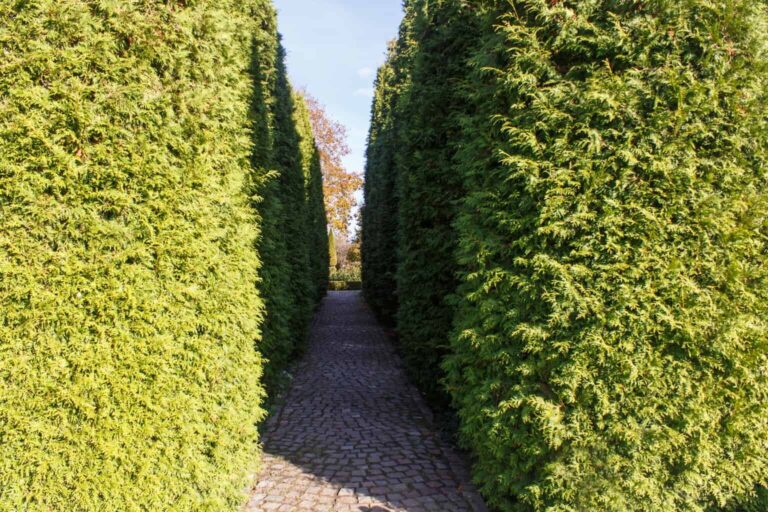
Formal hedges often have crisp lines that follow a neat gradient from base to top. You can achieve this by trimming sides in a diagonal so the hedge edges slope in slightly as you move upwards. The Royal Horticultural Society (RHS) points out this is key for large-leaved evergreen hedges like laurel or rhododendron, keeping them lush throughout.
For smaller hedges (under about 40 inches tall), you can go for straighter sides if you prefer a boxy look. Just ensure the lower foliage still gets enough light. If you want maximum neatness for a privacy screen, following guidelines like the “upside-down V-shape” from This Old House will help. The plant stays healthy and rarely develops bald spots at the bottom.
Use Strings And Guides
If you want each edge to look uniform—particularly on formal hedges—measure from the ground and stretch a string at the desired height. Pith & Vigor cites this as a key tip for tidy shaping. Before trimming, ensure your string is level with the top edge you have in mind. Then, hold your trimmer parallel to the string. This reduces the chance of an accidental dip or wave in your hedge silhouette.
For side shaping, place vertical strings at both ends of the hedge as a reference. If the hedge is quite long, add intermittent stakes so you do not overcut any middle sections.
Step-By-Step Trimming Routine
You might wonder how to tie all these best practices together. Here is a quick routine that will keep your hedge looking trim, healthy, and balanced.
Prepare Your Hedge
- Check for wildlife. Look inside for active nests, especially from early spring to late summer. The RHS reminds you that you could breach local wildlife protection laws if you disturb nesting birds.
- Clear debris and obstacles. Remove any clutter around the hedge’s base. This helps you see branches clearly and prevents trips or slips during trimming.
- Gather safety gear. Gloves, safety glasses, and sturdy shoes should be standard. If you use a powered trimmer, also consider ear protection.
Taper The Sides
- Start from the bottom. Pith & Vigor recommends smooth, upward sweeps. This ensures a slightly narrower top.
- Keep your angle consistent. Whether using shears or a cordless trimmer, hold the blade at the same tilt the entire time. Move steadily rather than rushing.
- Regularly step back. Reassess the shape from a distance so you can catch any uneven spots before they become more pronounced.
Fine-Tune The Top
- Set up a guide string. This ensures a level, flat or slightly angled top.
- Use sweeping motions. Take small amounts at a time to avoid a lopsided look. Tom’s Guide suggests gradually approaching your final height so you do not remove more than you intend.
- Trim interior overgrowth. If you spot thick interior branches blocking sunlight, cut them back so they do not create empty patches. Check for diseased or dead wood and remove it, too, so the hedge can allocate nutrients to stronger branches.
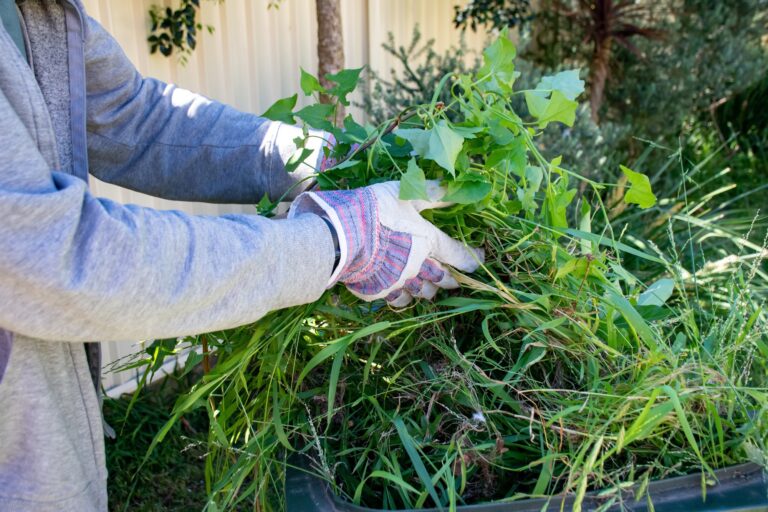
After you finish, clear away all cuttings, especially if you have tall hedges that drop leaves on your lawn or flower beds. This helps deter pests, diseases, and mould. You will be left with a crisp, polished hedge that will reward you with continued growth.
Common Hedge Types And Their Needs
Hedges differ widely by species, so it helps to know which general category yours fits into. Some require more frequent trimming to maintain shape, while others benefit from specific pruning seasons to promote flowering or new leaf growth.
Deciduous Hedges
These hedges shed their leaves annually, typically sprouting fresh ones in spring. Privet and hawthorn are common examples in many gardens. Fantastic Gardeners notes that privet hedges benefit from maintenance trims between early spring and late summer so they do not get too tall and spindly. Hawthorn, on the other hand, typically needs a trim after flowering (May) and another tidy-up in autumn.
If your deciduous hedge is overgrown, the “three-year rule” from This Old House might help. It involves gradually cutting back one-third of the hedge each year so you do not shock it all at once.
Evergreen Hedges
Evergreen hedges, such as boxwood or cypress, keep their green all year and often act as privacy screens. According to Sunnyside Nursery, conifers like yews and cypress do best with trimming before late June. Meanwhile, broadleaf evergreens like rhododendrons or laurels typically thrive when trimmed in late spring (around late May) to protect new buds and allow enough time for recovery.
The RHS suggests you use secateurs or loppers instead of power tools if you have large-leaved evergreens. That way, you avoid tearing big leaves and leaving unsightly ragged edges behind.
Maintain Hedge Health And Safety
Even though hedge trimming and pruning keep your yard looking tidy, they also play a huge role in disease prevention. By removing overcrowded branches, you allow better airflow and sunlight into the plant’s interior. That fresh circulation helps prevent rot and fungal issues.
Balanced Growth
If you notice one side of your hedge leaning outward or a patch that has grown denser leaves, do lighter trims on other parts so the plant can balance out. Overtrimming a single area can stress it and cause patchy regrowth. Homes and Gardens warns against cutting more than one-third of the foliage at once. Doing so in a single session can create irreparable bald spots, especially in conifers that may never regrow from old wood.
Bird Nesting And Wildlife
Melbourne gardens can bustle with bird activity for much of the year, so always check for nests before you power up the trimmer. If you see that your hedge is home to active nesters, wait until the babies have fledged to resume trimming. Examples from the RHS highlight how crucial it is to comply with wildlife laws. Being vigilant protects your local ecosystem and ensures your hedge remains a safe environment for creatures that pollinate and help manage pests.
Consider Professional Help In Melbourne
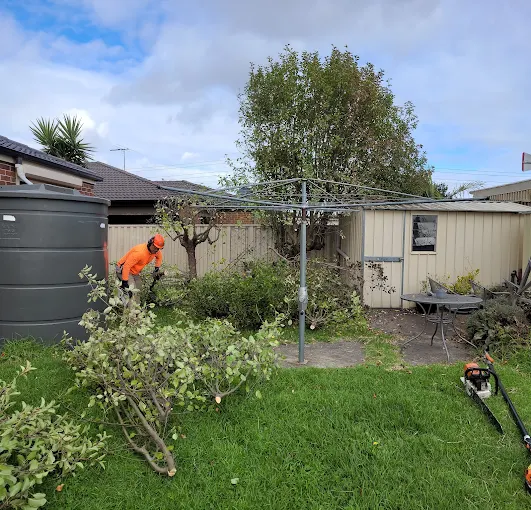
You might enjoy shaping small hedges yourself. However, if your property has tall or extensive hedges, or if you simply prefer to save time, consider a professional service in Melbourne. Skilled teams tackle everything from minor shaping to thorough pruning, so you can relax while they handle both the labour and tricky aspects of hedge care.
Aps Tree Removal Recommendation
In Melbourne, Aps Tree Removal has over 16 years of experience trimming hedges of all sizes. They focus on balancing the health of your plant with an attractive shape. Whether you have tall privacy screens up to 10 metres high or low ornamental box hedges in your front yard, expert care can make each hedge flourish.
By tailoring their approach to the species, purpose, and stage of growth of your hedge, Aps Tree Removal ensures it stays healthy and well-defined. The result is a neat and tidy outdoor space that adds to your property’s curb appeal. They use commercial-grade tools and proven pruning techniques to achieve symmetrical results whether you schedule an annual trimming or sign up for more regular maintenance. They also set out to minimise disruption to your garden or commercial space, leaving the site clean and ready for you to enjoy.
Why Professional Services Are Worth It
If you have been worried about safety for tall hedges or not wanting to invest in specific power tools, a professional team can handle it all. Their trained crews wear safety gear and know how to manage large surfaces quickly yet carefully. This can be especially important for business owners who need commercial hedge trimming to maintain a consistent look for clients or customers.
Professionals also recognise when your hedge might need more than a simple trim, such as disease management or deeper pruning. They can advise you on when to shape, when to wait, and what type of fertiliser or mulching might help in the coming season. A complete approach means fewer headaches and better results in the long run.
Practical Steps For Ongoing Hedge Care
Beyond your annual or seasonal cuts, there are a few simple ways you can keep your hedges looking and feeling their best. Small, regular safeguards keep you from needing drastic measures later on.
Feed And Mulch
Late winter or early spring is an excellent time to mulch around the base of your hedge with compost or other organic matter. The RHS recommends this habit to lock in moisture and boost soil fertility. If you live in an area with sandy soils, fertiliser can help ensure your hedges have enough nutrients for healthy growth.
Quick Symmetry Checks
Sometimes, you might look back a month after trimming and notice one spot is growing more vigorously. Instead of letting it become a dense clump, trim it back to match the rest, so the entire hedge line looks even. This quick correction prevents uneven shading of lower sections.
Watch For Pests And Diseases
Look out for rust spots, powdery mildew, or insect damage early on. These small issues can quickly spread through a hedge. Promptly prune out infected stems and spot-treat for pests to save the rest of the plant. ONEVAN notes that regular trimming helps air reach the middle of hedges, making them less susceptible to disease outbreaks.
Melbourne-Specific Considerations
Melbourne’s climate features distinct cool winters and warm summers. If you are unsure whether you should prune in late winter or wait until early spring, focus on your specific hedge species first, then watch the weather. The last thing you want is a late frost damaging new shoots. On the other hand, if you wait too long, you risk a flush of growth right before extreme summer heat.
Seasonal Hedge Strategies
- Late Winter. Great for deeper pruning on deciduous hedges, especially if you want to shape them aggressively or remove diseased wood.
- Spring. Suits broadleaf evergreens like laurels that benefit from cutting back fresh shoots.
- Summer. More about quick shaping or trimming back post-bloom for flowering shrubs.
- Early Autumn. Allows for a neat shape heading into cooler weather, but avoid heavy pruning that might trigger tender new growth vulnerable to cold snaps.
For any uncertainties, or if your hedge is significantly overgrown, hedge trimming services in the Melbourne area can evaluate your situation and recommend the best plan.
Choosing The Right Tool For The Job
Balancing power, mobility, and ease can help make hedge trimming feel more like a creative task instead of heavy labour. If you are trimming a formal hedge around your front walkway, consider a lightweight cordless or electric trimmer. For a small topiary or a handful of shrubs, a good pair of hand shears might be all you need.
According to an October 2023 update from Pith & Vigor, investing in high-quality electric trimmers can drastically cut pruning time, making the overall job much more rewarding. If you opt to do the work yourself, you might find a cordless trimmer with a strong battery is enough for the average suburban hedge.
Reasons To Schedule Regular Maintenance
Avoid Overgrowth
When you skip a season or two of hedge trimming, the result can be a tangled mass of branches with loads of deadwood inside. Overgrowth blocks sunlight from inner foliage, leading to thinning and bare patches. Fantastic Gardeners says consistent maintenance stops overgrown hedges from stunting each other, preserving your hedge’s overall form.
Preserve Privacy Screens
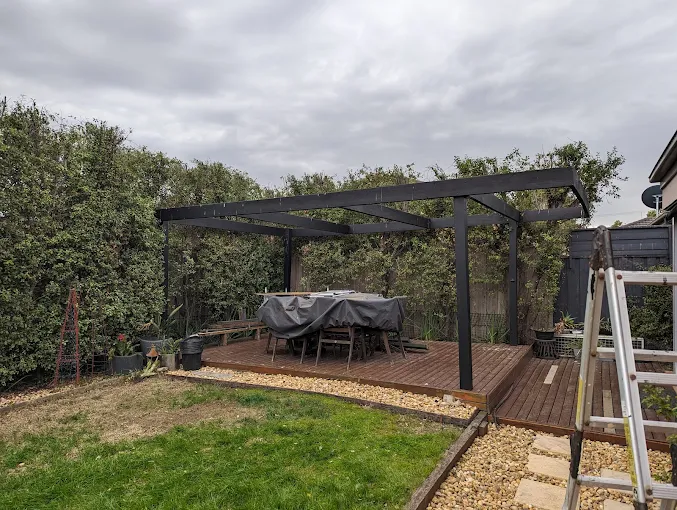
If privacy is your primary reason for installing hedges in Melbourne, a monthly or seasonal trim helps keep that dense, even coverage. Instead of waiting until your hedge outgrows its shape, schedule smaller, more frequent trims that are less stressful to the plant. When properly done, repeated light trimming promotes lateral branching. You get thicker foliage that is harder to see through.
Manageable Costs
Routine trimming can keep each session quick and affordable. If you let your hedge run wild and then need a massive overhaul, you might face a bigger bill. Many homeowners go for hedge trimming maintenance contracts, where professionals come out one or two times a year to keep everything neat with minimal fuss.
Advantages Of Hiring Locally In Melbourne
Securing local help means your contractor understands the seasons, the soil, and the regional pests that can affect your hedges. If your property is large, you might even want to look into hedge trimming contracts for regular check-ups. Locals often have insights into what grace periods might protect native birdlife, which fertilisers work best in certain suburbs, and how to prepare your hedge for both scorching summers and frost-prone winters.
Cost-Saving Tips
- Ask about combined services. Some professionals might bundle hedge trimming with other garden upkeep, making affordable hedge trimming possible when done in bulk.
- Look for deals in the off-season. A local company might offer discounts when demand is low, such as late autumn or winter, depending on the hedge species.
- Get a few quotes. If you search for hedge trimming companies near me, you can compare prices and services to ensure you get a fair deal.
Incorporate Pruning Into Your Overall Garden Plan
Hedges are just one element of your garden’s design. Flowers, trees, and lawn health also affect how neat and welcoming your outdoor space feels. If you plan your pruning schedule in tandem with other tasks—like planting bulbs in spring or completing a big autumn clean-up—you can create a smoother, more enjoyable routine.
Combine With Tree Pruning
If you need to prune nearby trees, consider doing so around the same time. Lawn Love explains that pruning trees in late winter or early spring can be beneficial, but you do not want to prune and trim your hedge at the exact same moment if they share close quarters. Each plant needs its own recovery. Scheduling them a few weeks apart might be best to reduce stress on the surrounding garden environment.
Encourage Biodiversity
Your hedge can also provide a habitat for friendly insects and birds. If you integrate pollinator-friendly plants at the base of the hedge, you can help support local wildlife. By pruning carefully—removing deadwood but leaving some coverage for nesting birds—your hedge becomes an integral part of a healthy, balanced ecosystem.
When To Replace Or Rejuvenate A Hedge
Sometimes, you reach a point where trimming no longer gives the look or coverage you want. A hedge might be too old, have disease issues, or be severely patchy. In such cases, partial or complete replacement may be the best option. Some owners opt to plant new hedges in front of the old ones, gradually phasing out the older shrubs.
The Three-Year Rule
For large-scale rejuvenation, This Old House recommends reducing hedge branches in stages. Cut back one-third of the branches the first year, the next third in the second year, and the final portion in the third. This allows fresh shoots to take over without shocking the entire plant. If, after these three years, the hedge still looks unhealthy, ask a professional for advice on replanting or switching to a heartier species that suits your local conditions.
Choosing A Hardier Hedge Species
If you are starting from scratch or replacing a failing hedge, pick something that thrives in Melbourne’s climate. Deciduous options like hawthorn or privet can handle varied temperatures, while evergreens such as boxwood or yew maintain year-round coverage. Always research the plant’s mature size, so you know how often you might be trimming. By anticipating full-grown dimensions, you can avoid planting a hedge that quickly outgrows your space.
Next Steps For Your Hedge
Hedge trimming and pruning do not have to be daunting. Once you understand the difference between shaping for aesthetics (trimming) and cutting for health (pruning), you can time your tasks accordingly. Doing so helps your hedge reach its best form and stay that way without excessive effort. If you are juggling multiple hedges or a complex landscape, remember that teams like Aps Tree Removal in Melbourne are there to make it straightforward.
You can also connect with garden hedge trimming services if you simply want an occasional tidy-up for your ornamental shrubs. Or, if you have a more substantial job in mind, hedge cutting services and professional hedge trimming can handle the heavy lifting, letting you enjoy a consistently well-maintained garden.
Here is a recap of key strategies:
- Plan your work around seasons. Late winter is great for major pruning, while late spring or early summer suits shaping after flowers bloom.
- Use proper tools. Sharp pruners, loppers, and shears produce clean cuts that heal faster. Powered trimmers help you cover large hedges efficiently.
- Keep a slight taper. Give your hedge a wider bottom and narrower top so sunlight generates thick growth at every level.
- Rejuvenate if necessary. If your hedge is extremely overgrown, try the three-year rule or consider replacement.
- Watch for wildlife. Always check for bird nests, especially in spring and early summer.
By following these guidelines, you will keep your hedges in top condition and preserve a lovely garden space year-round. A minor investment of time or hiring local experts can help you transform dull, overgrown hedges into strong, vibrant borders. With Melbourne’s climate and plenty of professional know-how on your side, you are set to enjoy well-shaped, healthy hedges for seasons to come.