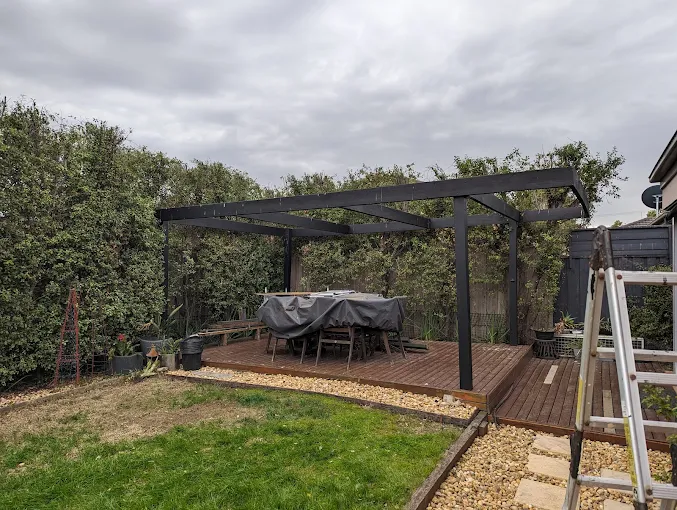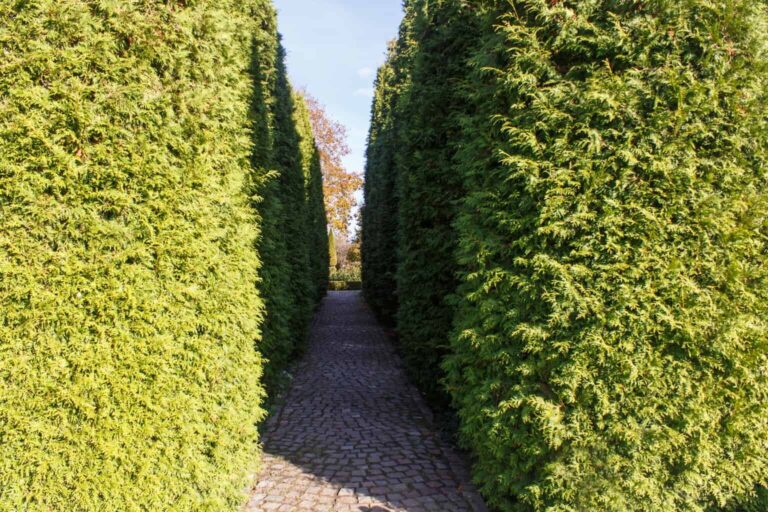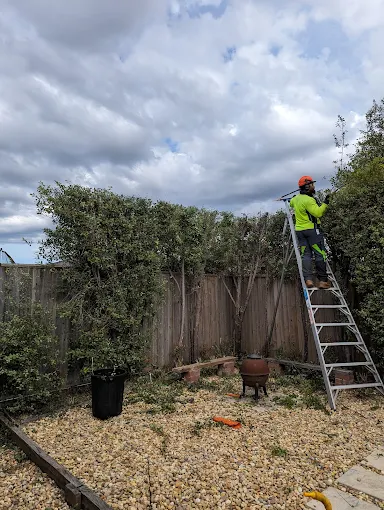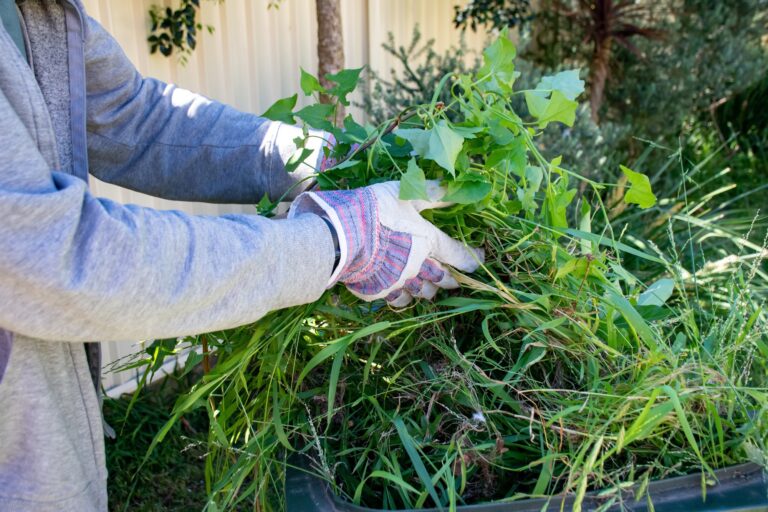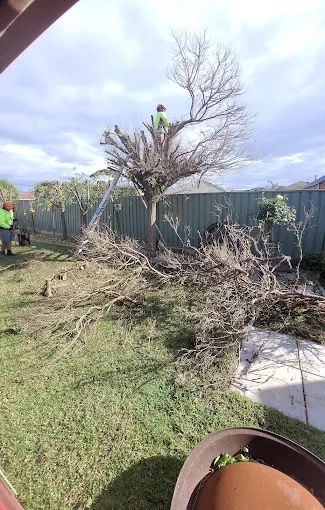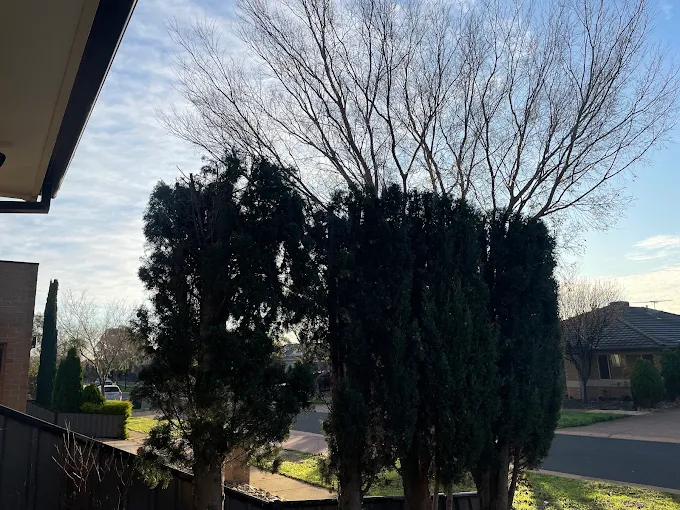
In this post, you will discover everything you need to know about hedge trimming maintenance so you can keep your garden neat, healthy, and full of life. Proper hedge care goes beyond just snipping away stray branches. It is about understanding the ideal timing, using the correct tools, applying the most effective techniques, and making a consistent plan to ensure that your hedges thrive all year. Whether you are caring for a small row of boxwoods near your patio or tall privacy screens that mark your boundary, these tips will help you feel more confident in your trimming routine.
Below, you will find best practices drawn from reliable sources such as This Old House, ShrubHub, Pith & Vigor, Sims Garden Machinery, and more. You will also find insights into professional-level services, especially if you live in Melbourne and want an expert hand to manage your hedge trimming goals. Let us get you started on the path to a tidy, well-maintained, and flourishing garden.
Understand Hedge Trimming Maintenance
Hedge trimming maintenance is all about helping your hedges stay in shape, remain healthy, and encourage new growth. When you prune correctly, your shrubs channel energy into vibrant branches rather than weak, overgrown ones. Regular trimming also keeps diseases at bay, maintains a uniform outline, and prevents bare patches. Ultimately, a properly cared-for hedge can serve as a beautiful backdrop in your garden, support local wildlife, and protect your privacy.
- Trimming regularly discourages overgrowth that can lead to bare patches and pest infestations [1].
- Most hedges benefit from steady, moderate pruning rather than sporadic, heavy cuts [2].
- Up-to-date gear and an informed schedule can reduce arduous work from hours to minutes [3].
When done well, hedge trimming can be a satisfying process that sparks creativity. You might discover new ways to shape your forsythia, boxwood, laurel, or any other plant into graceful lines that enhance your landscape.
Know Why Hedge Trimming Matters
You may wonder, “Why does it matter if I trim my hedges a few times or let them grow freely?” The short answer is health and appearance. Overgrown hedges often develop tangled, weak branches and can harbour unwanted pests or diseases. Left unchecked, they will hog space in your garden, blocking sunlight from the rest of your plants.
- Healthier Plants: Regular trims remove dead or diseased branches, encourage airflow, and allow sunlight to reach interior foliage.
- Thicker, Fuller Growth: Pruning stimulates growth points, resulting in a denser, lush hedge.
- Neat Appearance: A tidy hedge can create clean lines and add visual harmony to your yard, giving it that “well-groomed” feel.
- Ease of Maintenance: By shaping your hedge routinely, you avoid drastic cuts that can shock the plant or leave awkward bare spots.
According to ShrubHub, well-pruned hedges bounce back faster, remain more resilient to stress, and maintain better structure over time [4]. So as you move forward, remember that every snip you make builds towards a healthier, more attractive garden hedge.
Plan The Right Timing
When it comes to hedge trimming maintenance, timing can make a significant difference. Different plants have unique seasonal growth patterns, which means a universal “one size fits all” approach can lead to disappointment or damage. In Melbourne, with its relatively mild climate, you can take advantage of multiple windows for trimming. However, you still want to pay attention to each species’ growth cycle.
- Late Winter or Early Spring: This is prime trimming season for many deciduous hedges and evergreen conifers, as advised by This Old House. Doing the work before buds appear reinvigorates the plant for fresh spring growth.
- Just After Flowering: If your hedge is a flowering variety like forsythia, trimming right after blooms fade can help encourage healthy branch development without sacrificing next year’s flowers.
- Mid-October or Early Autumn: Some experts suggest a mild reshaping during autumn to keep things tidy, particularly if your hedges had a vigorous growing season [5].
Try to avoid pruning in extreme temperatures or drought conditions. Likewise, if there is a local bird nesting season, wait until the chicks have left so you do not disturb any nests. Maintaining the right schedule ensures you are shaping — not stunting — the plants.
Select The Right Tools
Using proper tools can make hedge trimming maintenance faster, safer, and more precise. If your arsenal is a mismatch of dull pruners and battered shears, you will risk ragged cuts that can harm the plant. When you invest in well-maintained equipment, the job becomes simpler, and your hedge will thank you with improved growth.
- Hand Pruners: Ideal for small branches up to about ¾ inch in diameter. User-friendly and essential for shaping tasks.
- Loppers: The go-to tool for thicker branches. They provide more leverage than hand pruners.
- Hand Shears: Handy for fine shaping and precise detailing of small or ornamental hedges.
- Power Trimmers (Electric or Gas): Great for covering large areas and speeding up the process. Battery-powered hedge trimmers, for instance, can reduce your maintenance time significantly [3]. Electric variants are lighter and quieter, while gas-powered tools offer mobility over larger properties.
When you keep these tools clean, sharp, and properly stored, you preserve your hedge’s health and extend the equipment’s life. According to Sims Garden Machinery, stale petrol, dull blades, or damp storage can all lead to poor results and reduced tool longevity [2].
Practice Essential Safety
Trimming hedges may seem harmless, but any maintenance work with power tools calls for caution. That is why investing in personal protective equipment is so important.
- Eye Protection: Flying debris, twigs, or stray clippings can easily injure your eyes.
- Gloves: A good pair of gloves safeguards your hands from prickly branches, stubs, or an accidental slip of the blade.
- Ear Defenders: If you use gas-powered or loud electric tools, ear protection minimises long-term hearing damage.
- Sturdy Footwear: This prevents slips and helps protect your feet from fallen branches and dropped tools.
Sims Garden Machinery emphasises that safety gear is non-negotiable, as it can keep you comfortable and free to concentrate on creating clean, precise cuts [2]. Before you begin cutting, check that your workstation is clear of obstacles such as hoses, children’s toys, or garden decor. Adequate lighting, a stable ladder (if needed), and an awareness of your surroundings are also crucial.
Shape For Healthier Hedges
Now that your timing, tools, and safety measures are in order, it is time to focus on technique. The way you shape your hedge directly influences how well it filters sunlight, sheds rain or snow, and encourages interior growth.
- Aim For An Upside-Down “V” Or Tapered Profile: Wider at the base, narrower at the top. As recommended by This Old House, this approach ensures that lower branches still receive sunlight, preventing brown patches or leaf drop near the bottom.
- Trim From Bottom To Top: This technique, highlighted by Pith & Vigor, helps you maintain a smooth shape while preventing accidental over-trimming in upper sections.
- Smooth Sweeping Motions: Instead of hacking away randomly, keep your movements steady and controlled. This ensures uniform cuts and minimises ragged edges.
- Leave Some Green: Aggressive cuts that go beyond the green growth into old wood can cause stunted regrowth. Species like arborvitae may not recover at all if cuts fall into the older, brown stems [5].
If you stick to these shaping guidelines, your hedge will maintain structural integrity, shed rain properly, and remain healthier in the long run.
Manage Overgrown Hedges
Sometimes, life gets busy, and your hedges might have grown wild. Do not worry. You can still bring them back to a tidy, thriving state with patient, methodical steps.
- The Three-Year Rule: If your hedge looks unwieldy, a phased approach is recommended. According to This Old House, prune it gradually over three years. Each year, remove about one-third of the older, unproductive growth. This “little-and-often” strategy minimises shock to the plant.
- Aggressive Rejuvenation: Certain shrubs can handle more dramatic cuts, down to 6–8 inches from the ground, before bouncing back. If you opt for this, do it in stages, feeding and watering the hedge properly to support regrowth [4].
- Fertilise And Mulch: Alongside trimming, apply a balanced fertiliser to encourage new foliage, especially if you cut back heavily. Mulching around the base helps retain moisture and stabilise soil temperature.
Remember that as soon as you see new green shoots emerging, you can shape them to ensure the hedge forms a nice, dense mass. The objective is to get rid of old, weak growth in a measured manner so fresh, vigorous branches can take its place.
Follow A Seasonal Outline
You can break your hedge trimming maintenance down into seasons. Not every hedge will follow this precisely, but it gives you a rough framework for annual care:
- Late Winter (Feb–Aug in Melbourne’s context): Prune the bulk of your hedge here if it is a non-flowering or conifer type. This sets the stage for spring growth.
- Early Spring To Late Spring: Tackle minor shaping for plants that bloom in springtime after the petals have dropped. During this phase, you can also maintain fast-growing species.
- Early Summer: If necessary, give another light trim to shape and remove errant branches. Evergreen broadleaf hedges such as boxwoods or hollies may need a tidy-up to keep them crisp.
- Late Summer/Autumn: Perform a final shaping to keep growth in check before winter. Mid-October can be acceptable for less aggressive corrections [5].
Laurel hedges, privet, leyland cypress, and other specific species might appreciate a slightly different schedule. For example, privet hedges can often be trimmed multiple times a year because they grow continuously except in winter [6]. Leyland cypress benefits from up to three trimmings annually — in April, July, and late August. Learning about your particular hedge’s needs makes all the difference in achieving a neat look with minimal risk of damage.
Tackle Specific Hedge Types
Although the general guidelines apply to most situations, there are some hedge species that have unique traits requiring special care:
- Privet: Trim any time between late winter and late summer. Privet rebounds well from frequent pruning, creating a dense, formal look if desired.
- Laurel: Best trimmed in July or August with secateurs to avoid rough cuts on the broad leaves. Deep pruning is done in spring.
- Arborvitae: Take care not to cut into old wood as it will not regrow properly if you remove the green outer growth.
- Leyland Cypress: Keep up to three seasonal trimmings (April, July, late August) as recommended by Fantastic Gardeners.
- Dwarf Pines (e.g., Mugo Pines): Limit pruning around late May, removing just the new “candles” before needle elongation to control size and maintain a tidy shape [7].
By homing in on the nuances of these species, you spare yourself future headaches and ensure a strong, vibrant hedge line in your garden.
Keep Your Melbourne Garden Tidy
Climate differences, local birds, and even city regulations can shape the best times for hedge trimming maintenance in Melbourne. In the UK, for instance, it is recommended to avoid the bird nesting season, which typically runs from March to August [2]. If you are in Melbourne, you should still keep an eye out for active nests and consider the weather — scorching dry spells or storms can complicate trimming.
You can also decide how often to schedule your hedge trimming for aesthetics. For formal or statement hedges, more frequent shaping might be necessary. Alternatively, if you prefer a slightly wilder, more natural look, you can trim less often, focusing primarily on health and structural stability.
Consider Professional Help
Sometimes, you might not have the tools, time, or confidence to tackle large hedges on your own. If so, you can always turn to professional hedge trimming services, especially for tall or elaborate hedges that pose extra safety or access challenges. In Melbourne, a well-regarded provider like Aps Tree Removal offers hedge pruning and trimming solutions to keep your outdoor spaces tidy and attractive.
Their approach includes:
- Over 16 Years Of Experience: They are familiar with hedge species commonly found in Melbourne gardens, so they can tailor their trimming plans to each plant’s growth patterns [8].
- Specialist Equipment: Commercial-grade trimmers and an emphasis on techniques that reduce stress to your plants while creating sharp, balanced lines.
- Safety And Convenience: The team works efficiently, cleans up thoroughly, and has a strong safety record. This is especially important if your hedge is over 2 or 3 metres tall.
- Flexible Scheduling: You can opt for a one-off call-out or a hedge trimming contract for consistent upkeep.
If you are juggling a busy schedule or want extra peace of mind, trusting a local business with proven experience can save you time and energy, ensuring your garden always looks its best.
Avoid Common Mistakes
Even with the best intentions, it can be easy to slip up. Ensure you steer clear of these frequent errors:
- Ignoring Regular Maintenance: Leaving the hedge to grow unchecked until it is a tangled mess makes it harder to restore later.
- Removing More Than One-Third: Taking off too much in one session stresses the plant and can leave bare patches. Experts like Sims Garden Machinery caution that drastic cuts may invite disease [2].
- Skipping Safety Gear: Do not underestimate the risk of flying debris or poor footing.
- Trimming At The Wrong Time: For instance, pruning certain flowering hedges in mid-spring might remove buds, reducing that year’s bloom.
- Using The Wrong Tool: A large gas trimmer on a delicate ornamental hedge might be awkward and prone to over-cutting.
Proactive planning and staying aware of plant cycles go a long way toward preventing these pitfalls. When in doubt, consult a local horticulturist, a gardening group, or a reputable provider of hedge trimming services.
Maintain Consistency And Care
Hedge trimming maintenance is not a one-and-done operation. It is an ongoing routine that rewards you as a gardener when done consistently. Think of it as part of your broader plant care plan.
- Water And Fertilise: Although many hedges are drought-tolerant, consistent watering, especially after heavy pruning, ensures healthy regrowth. A balanced fertiliser in spring fortifies the roots.
- Watch For Pests And Diseases: Keep an eye out for discolouration, wilting foliage, or signs of infestations. Early detection prevents larger issues later.
- Rotate Pruning Tasks: If you have several hedges or shrubs, tackle them in a rotating schedule so you do not overwhelm yourself.
- Stay Sharp: Hone or replace blades regularly. Dull blades tear through branches and leave jagged cuts that can invite bacteria or fungi.
For more extensive hedging work, especially in large gardens or commercial properties, you might consider commercial hedge trimming. Periodic professional visits can keep big projects manageable and ensure the hedges look polished all year.
Explore Budget-Friendly Options
You might be concerned that proper hedge trimming has to be costly. While high-quality tools and professional assistance do carry a price tag, there are ways to make it more manageable if you are on a budget.
- Share Tools: Neighbours and friends might have equipment. Coordinating a tool library approach distributes the cost.
- Off-Season Deals: Some local companies may offer discounted rates at quieter times of year (e.g., late autumn). You might find affordable hedge trimming solutions if you plan right.
- Gradual Upgrades: Begin with essential tools such as a sturdy pair of hand pruners, and add a power trimmer later as your plants (and budget) grow.
- Long-Term Contracts: Signing a hedge trimming contract for multiple sessions per year might unlock better rates versus one-time bookings.
Planning and researching your options can help keep your hedges looking great without breaking the bank.
Seek Local Advice
If you are unsure about your hedge species or the ideal pruning window, turn to community resources. Melbourne’s gardening groups, local horticultural societies, or even neighbours can be invaluable. You might learn that your particular street or area has microclimates that affect plant growth. You can then adapt your trimming schedule accordingly.
Online forums like Reddit’s r/landscaping or local Australian gardening threads also provide user experiences that might apply well to your situation. You can also look into hedge cutting services in your area if you prefer hands-on help from experts who know Melbourne’s climate intricacies.
Benefit From Professional Hedge Trimming In Melbourne
Working with professionals such as Aps Tree Removal ensures a polished result while saving you the time required to research and perform the job yourself. Some of the benefits include:
- Tailored Plans: The Aps Tree Removal team assesses your hedge’s species, size, density, and your preferred style. This personalised approach leads to healthier, well-looking shrubs. [8]
- Full-Service Experience: They handle tall privacy screens, extensive boundary hedges, and more delicate ornamental shrubs, leaving your property neat.
- Efficiency And Results: With professional insight, you will see smooth lines, balanced shapes, and consistent density across your hedges. This all contributes to boosting your curb appeal.
For more information, visit their hedge trimming and pruning page or explore hedge trimming companies near me to compare other local options. Ultimately, a reputable specialist can guide you through any unique garden challenges, ensuring your hedges stand out as a highlight of your outdoor space.
Keep Your Garden Green And Lovely
By now, you should have a clear picture of how hedge trimming maintenance supports a healthy, vibrant garden. From selecting the right tools to learning the best time to prune, each step you take keeps your hedges looking their absolute best. Maintaining proper shape, scheduling seasonal trims, and employing safe, tidy techniques all combine to create a functional, appealing boundary.
Remember, while hedge trimming is an art that can become quite enjoyable, there is no shame in seeking professional help if you need more complex services or do not feel comfortable tackling tall or overgrown hedges. Melbourne’s climate is fairly forgiving, but a little local know-how makes all the difference.
On your next trim, aim for that clean taper, watch for problem spots, and enjoy the feeling of seeing your garden line up in neat, attractive rows. Whether you prefer a formal appearance or a more relaxed style, thoughtful trimming can help your garden flourish for many seasons ahead.
Feel free to explore garden hedge trimming strategies, or chat with professionals like Aps Tree Removal [8] if you want to take your hedge care to the next level. Consistent hedge trimming will reward you with a property that feels welcoming, refreshing, and beautifully maintained every time you step outside.